Arizona Circle K workers say store made them buy $12.8M lottery ticket

Odds of winning the Powerball and Mega Millions are NOT in your favor
Odds of hitting the jackpot in Mega Millions or Powerball are around 1-in-292 million. Here are things that you’re more likely to land than big bucks.
- Two Circle K employees are in a legal dispute with the company over a $12.8 million winning lottery ticket.
- The employees claim a company policy required them to purchase lottery tickets that were printed but not purchased by customers.
- The store manager bought the winning ticket after a customer paid for only a portion of their printed tickets.
Two Circle K workers fighting the company in court over a $12.8 million Arizona Lottery ticket say there is no uncertainty about who owns it.
The ticket is theirs, they claim in a court filing, because Circle K made them buy it.
Attorneys for Robert Gawlitza, the former Scottsdale Circle K manager who bought the winning ticket, and Marline Ybarra, the clerk who printed it, claim Circle K had a company practice requiring employees to buy accidentally printed lottery tickets that customers left behind.
That only changed, they contend, after the company learned there was a ticket worth millions.
The filing is the first full response from Gawlitza and Ybarra in a lawsuit that started after a lottery ticket was sold at the Circle K near Bell Road and 56th Street. A customer had $85 in lottery tickets printed on Nov. 24 but paid for and got back only $60 worth.
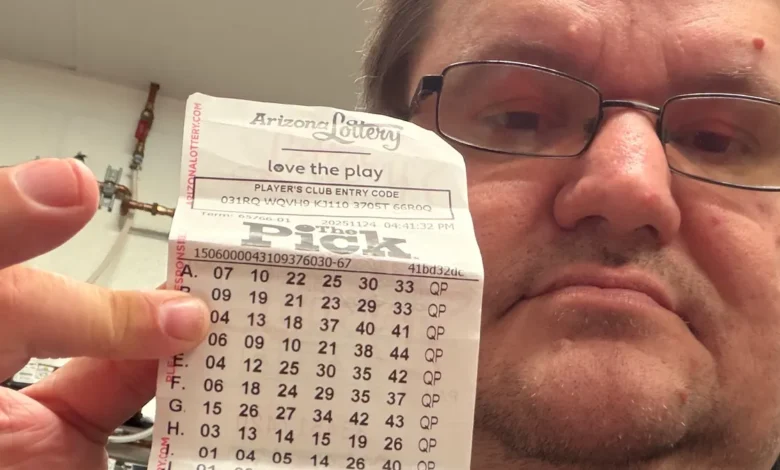
One of the leftover tickets later matched all six numbers in The Pick drawing: 03, 13, 14, 15, 19 and 26.
Circle K filed a complaint asking a Maricopa County Superior Court judge to decide who owns the ticket and who can claim the prize.
The company’s updated complaint identified the customer as Soonchun Kim and said Ybarra printed the tickets, some of which fell behind the printer. Gawlitza found the leftover tickets the next morning, clocked out, removed his uniform and bought the one with the winning numbers for $10, according to court filings.
Ybarra claims joint ownership with Gawlitza because the two agreed before the purchase to split the prize and later put that in writing.
Gawlitza and Ybarra now claim Circle K had an “established, consistent, and well-known” policy requiring employees to buy accidentally generated lottery tickets when the total value left behind was $20 or more, according to a court filing.
The filing says Circle K employees had to use personal money, were not reimbursed and had to buy enough tickets to bring the leftover total amount of the unbought tickets below $20.
If the responsible employee could not pay, the store manager was responsible for buying the tickets, according to the filing.
The response from Gawlitza’s attorney says he followed that practice when he bought the winning ticket.
Circle K did not immediately respond to a request for comment on the claims about the company’s policy.
The filing also cites Circle K’s employee guidebook, which says employees cannot buy or play lottery games while on duty, but may make those purchases before or after their shifts while off duty, so long as another employee rings up the sale unless prohibited by law.
Other employees say Circle K required employees to buy lottery tickets
Gawlitza, who worked for Circle K for about 20 years, claims the company fired him to help its legal position and deprive him of the millions.
Circle K told him he violated store policy because it considered him still working when he bought the ticket, according to the filing.
Court exhibits include statements of former Circle K workers who say they were taught that employees had to buy accidentally printed lottery tickets left behind by customers.
Eva Sparks, a former Circle K bonus manager, said in an affidavit that employees were required to buy those tickets the morning after the drawing and that the store did not reimburse them.
She said Circle K treated the tickets and any winnings as belonging to the person who paid for them.
Jennifer Geibeda, a former assistant manager, said Circle K never told her that if an employee followed the policy and won a prize, the prize belonged to Circle K.
Gawlitza and Ybarra also deny that Kim has any valid claim to the ticket. Their cross-claim says Kim “refused, declined, and left behind” the $25 in extra tickets and did not pay for them.
Gawlitza and Ybarra are asking the judge to declare them the lawful owners of the ticket, order Circle K to return it and award damages. They also accuse Circle K of taking their property, breach of contract and interfering with their ability to claim the prize.
The court has not ruled on who owns the ticket. The prize claim remains on hold while the case continues.
This content is sourced from www.azcentral.com and is shared for informational purposes only.