National Lottery good cause income down by £100m year on year amid major legal challenge
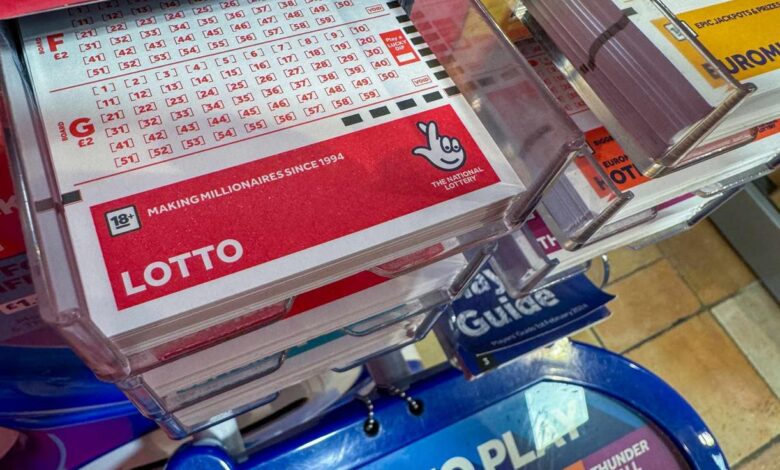
The National Lottery’s quarterly contributions to good causes has dropped by £107.8m in the past year, after a court case caused its operator “very significant reductions in revenue” due to delays in implementing income-generation measures.
Figures from the Gambling Commission showed that contributions to good causes in the first quarter of 2026/27 (April to June) dropped to £377.2m, down from £485m during the same period in the previous year.
A spokesperson for Allwyn, which operates the National Lottery, told Third Sector the year-on-year drop was partially due to a record-breaking EuroMillions rollover series in 2025/26, which had 12 jackpots above £100m and several above £200m.
This generated “exceptionally high sales” and therefore returns to good causes, which was not replicated this year, the spokesperson said.
But Allwyn also pointed to findings from a High Court judgment in April this year, which found the operator and lottery had suffered reductions amid the prolonged litigation.
The case was brought against the Gambling Commission by the New Lottery Company and Northern & Shell PLC, unsuccessful bidders in the fourth National Lottery licence competition in 2022.
The case related to the Gambling Commission’s decision to appoint Allwyn to run the fourth licence from 1 February 2024 and concerned the competition’s conduct, outcome and subsequent modifications made to the licence agreement to manage delays and higher costs.
The High Court dismissed the claims in full, including the New Lottery Company’s damages claims, which sought more than £1.3bn, and its claim that the fourth licence should be terminated early.
At the end of last month, an application from the claimants to appeal the case was also rejected.
The judge in the High Court case, Justice Joanna Smith, found the Gambling Commission ran a fair and lawful competition in awarding the licence to Allwyn.
It also found that Allwyn experienced delivery delays for reasons beyond the operator’s control, including the litigation from the unsuccessful applicants and the need for a commercial agreement for the technology transfer from Camelot, the lottery’s previous operator, to Allwyn.
The judge accepted that Allwyn therefore suffered “very significant” reductions in revenue realised from the fourth licence agreement, “due to the fact that its measures designed to increase revenue generation have not yet been fully implemented”, which the judge said had also impacted on the contribution to good causes.
Allwyn said this loss of revenue amounted to about £250m for Allwyn.
The operator also suffered additional losses, the judgment found, including “very significant” implementation costs for the transition, which Allwyn said are expected to cost about £450m and will be recovered later than originally anticipated.
Allwyn also has to make a further £50m payment to International Game Technology, which unsuccessfully bid for the licence alongside the previous operator Camelot, to extend its contractual arrangement relating to the National Lottery.
In addition, it has increased unrecoverable financing costs, which could amount to as much as £110m over 10 years, and it invested about £120m to acquire Camelot in February 2023, after which Camelot dropped claims it had previously against the Gambling Commission over the licence agreement.
Allwyn, which previously pledged to double amounts raised for good causes from £30m to £60m per week over the course of the 10-year licence, told Third Sector its returns to good causes in 2025 rose to £1.7bn – equivalent to about £33m a week.
The operator added it has launched two new draw games in the past two months, the new Lotto and Powerball.
A spokesperson for Allwyn said: “We welcomed April’s clear and comprehensive judgment, which confirmed that the Gambling Commission ran a fair and lawful licence competition, properly awarding the fourth National Lottery licence to Allwyn.
“The court further found that both good causes and Allwyn have suffered significant losses due to the delays caused by litigation brought by the unsuccessful applicants.”
The spokesperson said the judgment “draws a line under a long-running series of allegations about the integrity of the competition process”, adding: “The judgment provided clarity and legal certainty, and our focus now is on delivering for players and increasing funding for good causes.
“Allwyn has now completed the largest technology upgrade of the National Lottery in more than 30 years, after decades of underinvestment.
“The National Lottery now has the strong foundations in place to support continued innovation, long-term growth and increased returns to good causes over the course of the fourth licence.”
This content is sourced from www.thirdsector.co.uk and is shared for informational purposes only.