UK Lottery Market Size, Share, Growth & Trends Report, 2034

UK Lottery Market Size
The UK lottery market size was valued at USD 119.77 billion in 2025 and is anticipated to reach USD 126.15 billion in 2026 to reach USD 185.35 billion by 2034, growing at a CAGR of 5.31% over the forecast period from 2026 to 2034.
MARKET OVERVIEW
Lottery is a highly regulated and culturally entrenched sector of the national gambling industry primarily dominated by state sanctioned games and charitable lotteries. This ecosystem facilitates public participation in games of chance where proceeds are significantly allocated to good causes including arts heritage sport and community projects under the oversight of the Gambling Commission. The market is characterized by a mix of traditional draw based games instant win scratch cards and increasingly digital platforms that offer seamless access to players. According to the Gambling Commission, approximately 44% of adults in Great Britain participated in lottery draws, which drops to 19% when looking at those who only took part in lottery draws in the past four weeks, reflecting deep societal penetration and habitual engagement. As per Gambling Commission data, the National Lottery has contributed over 52 billion pounds to good causes since its inception in 1994, underscoring its critical role in funding public initiatives. The transition toward digital channels has accelerated with mobile applications and online portals accounting for a growing share of ticket sales. Consumer behavior is shifting toward convenience and instant gratification driving innovation in game design and distribution methods. Regulatory frameworks ensure fair play responsible gambling measures and transparency in fund allocation. The market faces evolving dynamics due to changing consumer preferences economic pressures and technological advancements requiring operators to adapt continuously while maintaining public trust and social responsibility.
MARKET DRIVERS
Strong Cultural Affinity and Habitual Participation Patterns
Strong cultural affinity and habitual participation patterns are primarily contributing to the expansion of the UK lottery market forward as playing the lottery is deeply embedded in British social traditions and weekly routines. For many households purchasing tickets for the main draw or buying scratch cards is a longstanding ritual associated with hope community involvement and entertainment rather than purely financial speculation. According to Camelot Group data, over 32 million people in the UK play the National Lottery regularly, demonstrating the vast scale of entrenched consumer behavior. As per YouGov surveys, 60 % of adults view lottery participation as a harmless form of entertainment that supports good causes reinforcing positive social perceptions. The widespread availability of tickets through retail outlets such as supermarkets newsagents and post offices ensures easy access and visibility integrating lottery products into daily shopping trips. Syndicate playing among colleagues friends and families further strengthens social bonds and encourages consistent participation through shared excitement and collective responsibility. The psychological appeal of life changing jackpots combined with the low cost of entry makes it an accessible leisure activity for diverse demographic groups. This cultural normalization reduces stigma and fosters a stable base of loyal players who continue to engage regardless of minor economic fluctuations. The emotional connection to funded projects such as local sports facilities or arts programs also enhances player loyalty and perceived value.
Digital Transformation and Enhanced Mobile Accessibility
Digital transformation and enhanced mobile accessibility constitute another powerful force compelling increased engagement and frequency of play within the UK lottery market. The shift from physical tickets to digital platforms has removed geographical and temporal barriers allowing consumers to participate anytime and anywhere through smartphones and tablets. According to Allwyn Entertainment, digital sales now account for 51% of all National Lottery sales, reflecting a decisive shift in consumer preference. As per Ofcom communications market report, 96 % of UK adults own a smartphone providing the essential infrastructure for mobile gaming adoption. Mobile applications offer features such as automated number selection result notifications and direct prize deposits which enhance convenience and reduce the risk of lost tickets. Instant win games optimized for mobile devices cater to younger demographics seeking immediate gratification and interactive experiences. Personalized marketing algorithms analyze user behavior to offer tailored game recommendations and promotions increasing retention and spend per user. The integration of secure payment systems and biometric authentication builds trust and simplifies the transaction process. Digital platforms also enable real time communication regarding jackpot sizes and good cause impacts fostering a sense of community and transparency. This technological evolution expands the addressable market and drives higher engagement rates among tech savvy consumers.
MARKET RESTRAINTS
Stringent Responsible Gambling Regulations and Advertising Restrictions
Stringent responsible gambling regulations and advertising restrictions are hindering the growth of the UK lottery market. The Gambling Commission enforces rigorous standards to protect vulnerable individuals requiring operators to implement robust age verification affordability checks and self-exclusion tools. According to Gambling Commission compliance data, operators faced increased scrutiny in 2024 with stricter guidelines on bonus offers and promotional messaging to prevent excessive play. As per Department for Culture Media and Sport proposals, new legislation aims to ban gambling advertisements during live sports broadcasts before the watershed significantly reducing visibility for lottery brands. These regulatory measures increase operational costs and limit the ability to attract new players through traditional high reach media channels. Mandatory spending limits and reality checks can interrupt the user experience potentially reducing session times and revenue. The requirement to conduct detailed social responsibility assessments for high value customers adds administrative burden and complexity. Public awareness campaigns highlighting gambling harms also contribute to a more cautious consumer mindset. Operators must balance commercial objectives with strict compliance requirements often leading to conservative growth strategies. The uncertainty surrounding future regulatory changes creates a challenging environment for long term planning and investment in marketing initiatives.
Economic Pressure and Reduced Discretionary Spending
Economic pressure and reduced discretionary spending are further impeding the lottery market growth in the UK. During periods of inflation and cost of living crises households prioritize essential expenses such as food energy and housing over non-essential leisure activities including lottery tickets. According to the Office for National Statistics, real household disposable income declined in recent years forcing many consumers to cut back on small regular expenditures. As per Kantar Worldpanel data, sales of lower priced lottery products such as scratch cards showed volatility as budget conscious shoppers sought cheaper alternatives or ceased participation entirely. The perception of lottery play as a luxury rather than a necessity makes it susceptible to budget tightening. High profile jackpot rollovers may still attract occasional players but regular weekly spenders are more likely to reduce frequency or stake amounts. Charitable lotteries face additional challenges as donors may redirect funds to direct charitable giving rather than gaming mechanisms. Operators struggle to maintain volume growth when the core customer base is financially constrained. Price sensitivity increases leading to demand for better odds or lower ticket prices which can impact profit margins. This economic headwind requires operators to demonstrate greater value and social impact to justify consumer expenditure in a tight financial environment.
MARKET OPPORTUNITIES
Expansion of Instant Win and Digital Native Games
The expansion of instant win and digital native games presents substantial opportunities for the UK lottery market growth. Unlike traditional draw based games instant win titles offer immediate results and interactive gameplay elements that align with modern consumer preferences for speed and entertainment. According to Allwyn Entertainment strategy documents, investment in digital first game development has increased significantly to capture the attention of Generation Z and Millennial players. As per Newzoo gaming insights, the overlap between video gamers and lottery players is growing suggesting potential for cross genre innovation such as gamified lottery experiences with narrative elements. Mobile optimized instant games allow for micro transactions and frequent play sessions fitting seamlessly into short breaks during the day. Social features such as leaderboards and shared challenges can enhance community engagement and viral marketing potential. The flexibility of digital platforms enables rapid testing and deployment of new game themes and mechanics based on real time player feedback. Partnerships with popular entertainment franchises can create branded lottery games that attract fans and expand reach. By diversifying the product portfolio beyond traditional numbers draws operators can tap into new revenue streams and rejuvenate the brand image. This innovation drives higher frequency of play and attracts a broader audience base.
Integration with Good Cause Storytelling and Impact Transparency
The integration with good cause storytelling and impact transparency offers significant opportunities to deepen player loyalty and differentiate lottery products in a competitive market. Consumers are increasingly motivated by purpose driven consumption and want to see tangible evidence of how their spending benefits society. According to National Lottery Community Fund reports, highlighting specific local projects funded by lottery proceeds increases player satisfaction and perceived value. As per Edelman Trust Barometer data, 64 % of consumers prefer brands that are transparent about their social impact encouraging operators to enhance communication strategies. Digital platforms enable personalized impact reports showing players exactly which causes their contributions have supported such as local parks schools or healthcare initiatives. Interactive maps and video testimonials from beneficiaries create emotional connections and reinforce the positive social role of lottery participation. Collaborations with high profile charities and public figures can amplify these messages and broaden appeal. Transparent reporting on fund allocation builds trust and counters negative perceptions of gambling. By positioning lottery play as a form of civic contribution rather than just a game operator can foster deeper emotional engagement. This approach resonates with socially conscious consumers and can drive sustained participation even during economic downturns.
MARKET CHALLENGES
Competition from Unregulated Overseas Online Gambling Sites
Competition from unregulated overseas online gambling sites are majorly challenging the expansion of the UK lottery market as these operators often offer higher prizes looser regulations and aggressive marketing tactics. Illegal websites target UK consumers with attractive bonuses and diverse gaming options bypassing domestic licensing requirements and consumer protection standards. According to Gambling Commission enforcement reports, millions of pounds are lost annually to illegal gambling operators undermining the regulated market and reducing funds available for good causes. As per Cybersecurity firms analysis, identifying and blocking these sites is difficult due to constantly changing domains and offshore hosting arrangements. Unregulated sites do not contribute to UK tax revenues or charitable funding creating an uneven playing field for licensed operators. They often lack robust responsible gambling measures exposing players to higher risks of addiction and financial harm. The anonymity of crypto currency payments further complicates tracking and regulation efforts. Licensed operators struggle to compete on price and variety while adhering to strict domestic rules. Consumer awareness of the risks associated with illegal sites remains low despite educational campaigns. Addressing this challenge requires international cooperation advanced technology for detection and stricter payment processing regulations. Failure to curb illegal competition threatens the sustainability of the regulated lottery sector and its social contributions.
Declining Engagement among Younger Demographics
Declining engagement among younger demographics is further challenging the lottery market growth in the UK. These cohorts exhibit different gaming preferences favoring skill based elements interactive experiences and immediate rewards over passive number waiting. According to Youth Culture Insight surveys, only 25 % of individuals aged 18 to 24 regularly participate in traditional lottery draws compared to over 50 % of those aged 55 and above. As per Marketing Week analysis, younger consumers perceive traditional lotteries as outdated and lacking relevance to their digital lifestyles. The low probability of winning major jackpots is less appealing to a generation accustomed to higher engagement rates in video games and social media. Attracting this demographic requires significant innovation in product design marketing channels and brand positioning. Traditional retail presence is less effective as younger people shop less frequently in physical stores. Digital marketing must be authentic and socially responsible to avoid backlash. The gap in participation threatens the long term viability of the market as older players naturally decline. Operators face the difficult task of modernizing their offerings without alienating their core older customer base. Bridging this generational divide is essential for future growth and sustainability.
REPORT COVARAGE
|
REPORT METRIC |
DETAILS |
|
Market Size Available |
2025 to 2034 |
|
Base Year |
2025 |
|
Forecast Period |
2026 to 2034 |
|
CAGR |
5.31% |
|
Segments Covered |
By Category, Application Country |
|
Various Analyses Covered |
Global, Regional, and Country Level Analysis, Segment-Level Analysis; DROC, PESTLE Analysis; Porter’s Five Forces Analysis; Competitive Landscape; Analyst Overview of Investment Opportunities. |
|
Regions Covered |
London, South East, North West, East of England, South West, Scotland, West Midlands, Yorkshire and The Humber, East Midlands, Others |
|
Market Leaders Profiled |
International Game Technology (IGT), Scientific Games Corporation, Allwyn Entertainment UK Limited, People’s Postcode Lottery, Française des Jeux (FDJ), Lottomatica S.p.A., Camelot Group, China Welfare Lottery, China Sports Lottery, Hong Kong Jockey Club, New York State Lottery, California Lottery, Florida Lottery, Singapore Pools, Ontario Lottery and Gaming Corporation (OLG), Mizuho Bank Ltd., The Government Lottery Office, Sazka Group, INTRALOT, BCLC (British Columbia Lottery Corporation), Loto-Quebec, Lotto.com |
SEGMENTAL ANALYSIS
By Category Insights
The draw based games segment dominated the market by holding the leading share of the UK market in 2025 as it encompasses iconic national products such as Lotto EuroMillions and Thunderball which are deeply embedded in British cultural routines. This dominance is sustained by the widespread habit of weekly participation where millions of players purchase tickets for specific draw days creating a predictable and substantial revenue stream. According to Allwyn Entertainment data, draw based games account for approximately 60 % of total National Lottery sales reflecting their status as the core product offering. The allure of life changing jackpots particularly in EuroMillions where prizes can exceed 100 million pounds drives significant media coverage and public interest. As per YouGov surveys, 45 % of UK adults participate in weekly draws making it the most popular form of gambling in the country. The simplicity of the game mechanics requires no skill or strategy appealing to a broad demographic range from young adults to seniors. Retail availability ensures that tickets are accessible in over 25000 locations nationwide integrating purchases into daily shopping habits. The collective nature of syndicate play among friends and colleagues further boosts ticket volumes and social engagement. This entrenched behavior ensures that draw based games remain the financial backbone of the lottery sector providing stable funding for good causes.
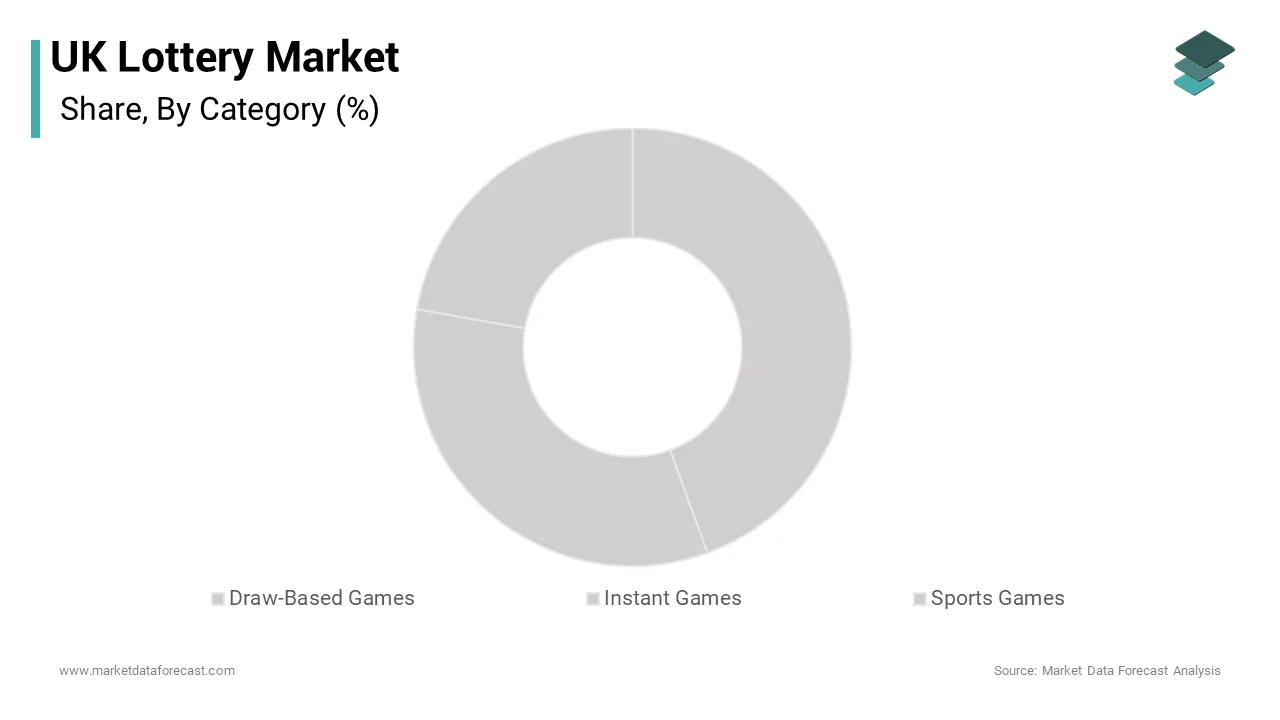
However, the instant games segment is estimated to register a CAGR of 13.3% during the forecast period as digital platforms enable immediate play and result verification. This accelerated growth is driven by the shift in consumer preference toward instant gratification and interactive entertainment which aligns with modern digital lifestyles. According to Allwyn Entertainment strategic reports, online instant win games have seen a 20 % year on year increase in active players particularly among millennials and Generation Z. As per Ofcom data, the high penetration of smartphones allows users to play these games anytime and anywhere removing the need to visit physical retailers. Instant games offer lower price points and frequent small wins which provide a steady stream of dopamine rewards keeping players engaged for longer sessions. The variety of themes ranging from pop culture to adventure narratives appeals to diverse interests and encourages repeat play. Digital algorithms ensure fair randomization while providing engaging graphics and sound effects that mimic video gaming experiences. The ability to play multiple games simultaneously on mobile devices increases transaction volume and overall spend. This convenience and entertainment value drive rapid adoption and make instant games the primary growth engine for the lottery sector.
By Application Insights
The offline segment led the market in 2025 and is expected to retain substantial revenue over the next few years, holding the dominant position in the lottery market as physical retail channels remain the primary point of sale for traditional draw based games and scratch cards. This dominance is underpinned by decades of established consumer habits where purchasing lottery tickets is integrated into routine shopping trips at supermarkets newsagents and post offices. According to Allwyn Entertainment data, approximately 49% of total lottery transactions still occur through physical terminals despite the rise of digital platforms. As per Office for National Statistics, there are over 25000 licensed lottery retailers across the UK ensuring widespread geographic accessibility even in rural areas. Older demographics who constitute a significant portion of the player base prefer the tangibility of physical tickets and the face to face interaction with retailers. The visibility of lottery displays in high footfall areas serves as constant reminder and impulse trigger for potential players. Physical tickets are also perceived as safer by some consumers who worry about digital security or forgetting online passwords. The social aspect of buying tickets in groups or discussing numbers with shopkeepers adds a community element that digital channels lack. This entrenched infrastructure and behavioral inertia ensure that offline sales remain robust and central to the lottery ecosystem.
However, the online segment is projected to register a CAGR of 15.4% during the forecast period in the UK market as consumers increasingly prioritize convenience and seamless digital experiences. This rapid growth is driven by the widespread adoption of smartphones and the development of user friendly mobile applications that allow players to participate from anywhere at any time. According to Allwyn Entertainment reports, online sales now account for nearly 51% of total revenue and are growing faster than any other channel. As per Ofcom communications market report, 96 % of UK adults have internet access enabling a vast potential user base for online lottery services. Digital platforms offer features such as automated number selection subscription services and direct prize deposits which eliminate the hassle of manual checks and ticket storage. Younger demographics who are digital natives prefer the speed and efficiency of online transactions over visiting physical stores. The ability to play international lotteries and access a wider variety of instant win games online expands choice and engagement. Push notifications alert users to jackpot rollovers and special promotions driving spontaneous participation. This shift toward digital convenience ensures that online applications will continue to capture market share and drive future growth.
COUNTRY ANALYSIS
The UK had the leading share of the European lottery market in 2025 and is poised to strengthen its leadership position in the European sector over the next few years, standing as the most mature and regulated lottery market in Europe characterized by a state sanctioned monopoly model that prioritizes social good alongside commercial viability. The market status is defined by the operation of the National Lottery under license from the Gambling Commission with proceeds heavily directed toward charitable and public sector funding. According to the Gambling Commission, the National Lottery has raised over 52 billion pounds for good causes since 1994, demonstrating its unique dual role as a gaming operator and philanthropic engine. London serves as the administrative hub for major lottery operators and regulatory bodies influencing policy and innovation across the region. The regulatory framework is stringent ensuring fair play consumer protection and transparency in fund distribution which builds high levels of public trust. As per Gambling Commission data, approximately 44% of UK adults participate in lottery activities, indicating deep cultural integration. The market is transitioning rapidly from physical retail to digital channels with mobile apps driving recent growth. High smartphone penetration and digital literacy facilitate this shift. The UK market is less fragmented than other European countries due to the exclusive license structure but faces competition from unregulated overseas online sites. Government support for the sector remains strong due to its vital contribution to arts sport and community projects ensuring its continued prominence and stability in the regional landscape.
COMPETITIVE LANDSCAPE
The competition within the UK lottery market is unique due to the exclusive license structure for the National Lottery yet remains intense when considering broader gambling alternatives. The primary operator faces indirect competition from other charitable lotteries such as the People’s Postcode Lottery which offer different value propositions through community focused models. Additionally unregulated overseas online gambling sites pose a significant threat by offering higher prizes and fewer restrictions attracting price sensitive consumers. The market sees continuous innovation in game design with operators introducing digital native titles to capture younger audiences accustomed to video gaming experiences. Regulatory pressures from the Gambling Commission ensure strict adherence to safety standards leveling the playing field but increasing operational costs. Brand loyalty is crucial as players often stick with familiar platforms despite attractive offers from competitors. Marketing efforts focus heavily on the social benefit of proceeds distinguishing legitimate operators from illegal entities. The shift toward digital channels has lowered barriers to entry for niche providers creating a fragmented landscape outside the main monopoly. Operators must balance commercial goals with social responsibility to maintain public trust and license compliance.
KEY MARKET PLAYERS
A few of the market players that are dominating the UK lottery market
- International Game Technology (IGT)
- Scientific Games Corporation
- Allwyn Entertainment UK Limited
- People’s Postcode Lottery
- Française des Jeux (FDJ)
- Lottomatica S.p.A.
- Camelot Group
- China Welfare Lottery
- China Sports Lottery
- Hong Kong Jockey Club
- New York State Lottery
- California Lottery
- Florida Lottery
- Singapore Pools
- Ontario Lottery and Gaming Corporation (OLG)
- Mizuho Bank Ltd.
- The Government Lottery Office
- Sazka Group
- INTRALOT
- BCLC (British Columbia Lottery Corporation)
- Loto-Quebec
- Lotto.com
Top Players In The Market
- Allwyn Entertainment UK Limited serves as the current operator of the National Lottery following a successful transition from the previous licensee. The company is responsible for managing all draw based games instant win products and retail operations across the nation. Recent strategic actions include significant investments in digital infrastructure to enhance mobile app functionality and user experience for millions of players. Allwyn has also launched new innovative game formats designed to attract younger demographics while maintaining appeal for traditional participants. The organization prioritizes responsible gambling measures and transparency in funding distribution to good causes. By focusing on technological modernization and community engagement Allwyn aims to maximize contributions to charitable projects while ensuring a secure and entertaining environment for all customers throughout the UK.
- Camelot UK Lotteries Limited previously held the National Lottery license for nearly three decades and remains a significant entity in the broader lottery landscape through its international operations and expertise. During its tenure the company established the foundational infrastructure and brand recognition that defines the modern UK lottery sector. Although it no longer operates the primary national license Camelot continues to influence the market through its global consulting services and technology solutions. The company recently focused on leveraging its extensive data analytics capabilities to support other regulated markets worldwide. Its legacy systems and customer databases were transferred smoothly to ensure continuity. Camelot’s historical contribution includes raising billions for good causes and embedding lottery play into British culture. Its ongoing involvement in industry best practices helps shape regulatory standards and operational excellence across the global lottery community.
- People’s Postcode Lottery operates as a distinct charitable lottery model where players subscribe using their postal codes rather than selecting individual numbers. This unique approach fosters strong community engagement and local impact visibility which differentiates it from traditional national games. The organization distributes a fixed %age of ticket sales directly to selected charities each month providing predictable funding streams for nonprofit partners. Recent actions include expanding its digital marketing efforts to reach younger audiences and enhancing its mobile platform for easier subscription management. The lottery emphasizes transparency by publicly announcing winning streets and beneficiary organizations. It has also increased support for environmental and social justice causes aligning with contemporary consumer values. By maintaining a high payout rate to charity and fostering a sense of collective participation People’s Postcode Lottery continues to grow its subscriber base and strengthen its position as a leading alternative lottery provider.
Top Strategies Used By Key Market Participants
Key players in the UK lottery market predominantly employ digital transformation and product innovation to maintain relevance and drive growth. Companies invest heavily in mobile application development to offer seamless user experiences automated number selection and instant prize notifications. Developing engaging instant win games with interactive themes attracts younger demographics who prefer immediate gratification over traditional draws. Strategic partnerships with retailers ensure widespread physical availability while integrating digital loyalty programs enhances customer retention. Emphasizing responsible gambling tools such as spending limits and self exclusion options builds trust and ensures regulatory compliance. Marketing campaigns focus on the positive impact of good cause funding to differentiate lottery play from commercial gambling. Utilizing data analytics allows operators to personalize offers and improve player engagement. These combined strategies enable participants to adapt to changing consumer behaviors and sustain long term viability in a competitive and regulated environment.
MARKET SEGMENTATION
This research report on the UK lottery market is segmented and sub-segmented into the following categories.
By Category
- Draw-Based Games
- Instant Games
- Sports Games
By Application
This content is sourced from www.marketdataforecast.com and is shared for informational purposes only.