NC Man Born 7th in ’77 Wins First Prize in New Triple Red 777 Jackpot; Two Unclaimed
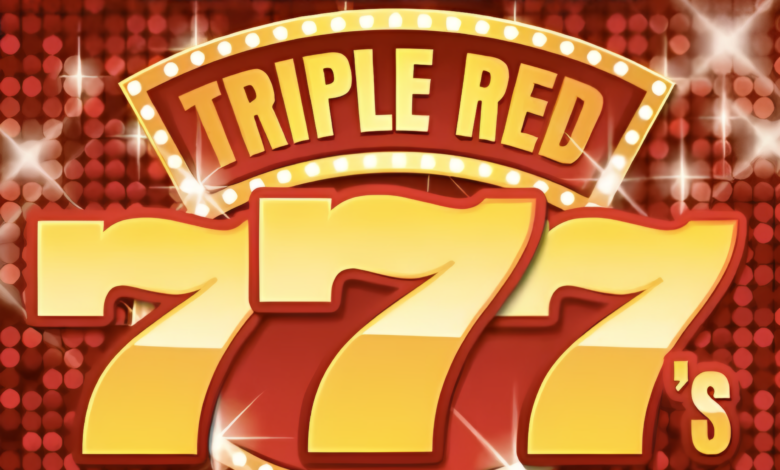
Tomas Munoz of Biscoe, North Carolina had a simple reason for picking up a $10 Triple Red 777 Jackpot scratch-off at the Candor V Mart on South Main Street: the number on the ticket matched the number in his bones. “Seven is my number,” Munoz told NC Education Lottery officials. “I was born on the 7th in ’77.”
He scratched the ticket on the spot, right there at the counter. When the numbers lined up, the feeling hit him immediately. “I felt emotions all over my body,” he recalled.
Munoz claimed his prize at lottery headquarters on Monday, July 28, becoming the first person to win one of the Triple Red 777 Jackpot game’s three $1 million top prizes since the game launched on July 3, 2026. Two of those jackpots are still sitting in the print run, unclaimed.
What Munoz Actually Walked Away With
Arriving at lottery headquarters, Munoz faced the standard winner’s decision: take the prize as an annuity of $50,000 paid annually for 20 years, or accept a one-time lump sum of $600,000. He chose the lump sum.
After required federal and North Carolina state tax withholdings, his take-home amount came to $396,060 — a figure that often surprises readers who picture a million-dollar check.
Munoz says he plans to put the money into investments and to keep funding his long-running passion: restoring classic cars.
Triple Red 777 Jackpot: What the Odds Actually Look Like
The game carrying Munoz’s winning ticket was less than a month old when he bought it. The NC Education Lottery released Triple Red 777 Jackpot (Game #49) on July 3, 2026, at $10 per ticket.
Here is what the numbers say:
Overall odds of winning any prize: 1 in 3.80. This is the figure printed prominently on the game — it means roughly one in every four tickets wins something, including the lowest-tier prizes and breakeven amounts.
Odds of winning the $1 million top prize: 1 in 1,465,160, according to the official NC Lottery game page. That is the number that matters if a player is chasing the jackpot, and it is almost never the figure highlighted in lottery marketing.
Among NC’s active $10 scratch-off games, Triple Red 777 Jackpot ranks third by expected return per dollar spent, according to independent lottery analytics — ahead of most comparable games, though still at a negative return of about 34 cents per dollar wagered. Scratch-off games are designed to return less than players put in; the appeal is the possibility of a large return on a small investment, not a mathematical edge.
The game plays simply: match any of your numbers to the winning numbers to win the prize shown; reveal a red “77” symbol to double a prize; reveal a red “777” symbol to multiply it by ten.
What Does a Lucky Number Actually Do?
Munoz’s story is genuine: a personal connection to a number, a $10 ticket built around that number, a $1 million outcome. What the story cannot do — and what no story of this kind can do — is establish that the number 7 had anything to do with the result.
Psychologist Ellen Langer first documented the underlying mechanism in a landmark 1975 study. Langer found that lottery players who chose their own tickets believed their odds of winning were meaningfully higher than those who received tickets at random — even though all tickets carried identical odds. She called this the illusion of control: the human tendency to believe that personal significance, ritual, or choice can influence outcomes that are entirely determined by chance.
In scratch-off lottery games, every prize in a print run is determined before any ticket is sold. A player who picks a “7” ticket and a player who picks a ticket at random are drawing from the same pool. The feeling of intention does not change the pool.
That said, for Munoz, the number 7 had a real effect — it got him to the counter. Whether that constitutes luck, intuition, or a $10 bet that happened to land, the outcome is the same: he is now $396,060 richer, with a car restoration fund that just got a very significant infusion.
How Lottery Dollars Reach Montgomery County Schools
The NC Education Lottery is not just a prize-distribution vehicle. North Carolina law requires lottery proceeds to be directed toward education, and the numbers at the county level are specific.
Montgomery County — where Munoz lives and where the winning ticket was purchased — has received grants totaling more than $2.6 million from lottery proceeds to support school construction projects. State construction records confirm that Candor Elementary School capital improvements and East Montgomery Middle School capital improvements are both listed as funded projects under the state’s Needs-Based Lottery Fund program.
Statewide, the NC Education Lottery set a new sales record in fiscal year 2026, generating $7.1 billion in ticket sales and returning more than $5.5 billion in prizes to players. North Carolina remains the only state lottery to have increased sales every year since launching in 2006.
Lottery proceeds in FY2026 supported school construction and renovation funds for all 115 districts, non-instructional school workers, school transportation, NC Pre-K for at-risk four-year-olds, and need-based college scholarships.
Frequently Asked Questions
What are the actual odds of winning the $1 million jackpot in Triple Red 777 Jackpot?
The odds printed most visibly on the ticket — 1 in 3.80 — refer to the chance of winning any prize, including small amounts. The odds of winning the $1 million top prize specifically are 1 in 1,465,160, according to the official NC Lottery game page. As of the publication of this article, two of the game’s three original $1 million top prizes remain unclaimed.
How much does a lottery million-dollar winner actually take home after taxes?
It depends on whether the winner chooses an annuity or a lump sum. Munoz chose the lump sum of $600,000 (rather than $50,000 annually for 20 years). After required federal withholding of 24% plus North Carolina state income tax withholding of approximately 4.5%, his take-home amount was $396,060. Winners who choose the annuity receive pre-tax payments over 20 years and may end up with a higher total after-tax figure depending on their tax situation each year.
Does picking a lucky number actually improve your odds of winning a scratch-off lottery?
No. In scratch-off games, all prize outcomes are pre-determined at printing. Choosing a ticket because it features a personally meaningful number does not alter the distribution of winners already in the print run. Psychologist Ellen Langer identified this pattern in 1975 as the “illusion of control” — the documented human tendency to believe personal choices influence random outcomes. The feeling of intention is real; the statistical effect is not.
Does the NC Education Lottery actually benefit local schools?
Yes, and the amounts are traceable to specific counties. Montgomery County, where this winning ticket was sold, has received more than $2.6 million in lottery-funded school construction grants. Statewide, more than $13.4 billion in lottery proceeds have been directed toward education since the program launched in 2006, funding new and renovated school buildings, pre-K programs, teacher support staff, transportation, and college scholarships.
If gambling has become more than a game, the NC Education Lottery’s responsible gaming program offers free, confidential support: call 877-718-5543, text “morethanagamenc” to 53342, or chat at morethanagamenc.com.
This content is sourced from www.techtimes.com and is shared for informational purposes only.