Trump admin confirms new H-1B process, drops visa lottery
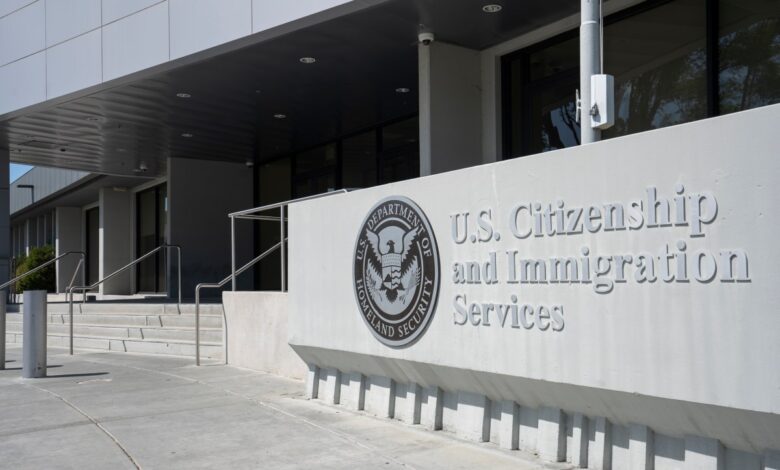
The Trump administration has confirmed it will drop the lottery selection process for the H-1B visa, replacing it with a weighted system, which it says will favor high-skilled workers.
The change, set to take effect in 2027, follows months of debate over alleged abuse of the visa by employers, and concerns about the replacement of American workers.
Why It Matters
While not the only work-based visa, the H-1B has become the focal point of the debate over whether the U.S. needs foreign-born workers and how such visas are granted. President Donald Trump has long been in favor of the system, while others within the MAGA movement see it as detrimental to American-born workers, particularly college grads who they say are being kept out of the workforce by cheaper immigrant labor.
What is the H-1B Weighted Selection System?
In an announcement Tuesday morning, U.S. Citizenship and Immigration Services (USCIS) said it was making changes “to better protect the wages, working conditions, and job opportunities for American workers.”
The biggest change, first floated in July, will be the end of the lottery-based selection process currently used to allocate some 85,000 H-1B visas each year, as applications far outweigh the cap.
Instead, a new weighted selection process will take its place, allocating visas based on the wage levels associated with the job to which the visa is linked.
The higher the wage, the more entries into the selection lottery, and the higher the chance an applicant is issued an H-1B. There will be four wage levels, with one being the lowest wage level meaning one lottery entry, through to level four with four entries.
USCIS said this will ensure higher-paid, and therefore higher-skilled, workers will be hired instead of cheap labor, which has been a major concern for H-1B critics.
Critics have previously warned that higher wages do not necessarily equate to higher skills, and have also cautioned about the potential impact on small and medium-sized businesses, which cannot pay more but rely on immigrant workers.
The new selection process comes after President Trump announced a new $100,000 fee for the H-1B, applicable to new applications only, as part of efforts to make the visa more restrictive. That fee has sparked legal challenges and warnings from lawmakers concerned that it could suppress American innovation and growth.
What People Are Saying
Nandini Nair, partner at A.Y. Strauss, told Newsweek in a statement: “This change creates an unfair burden on small and mid-size companies who are the backbone of the US economy. It rewards whoever can pay the most, not necessarily who’s needs the talent more. We are going to see significant deficit in our talent pool.”
Dobrina M. Ustun, an immigration attorney, told Newsweek in a written statement: “This rule risks unintentionally shutting out exactly the employers Congress intended the H-1B program to help. Startups, nonprofit organizations, and research hospitals often need highly specialized talent that is scarce in the U.S., but they simply cannot compete with large corporations on salary alone.
“Prioritizing wage levels as a proxy for skill ignores how innovation, medical research, and early-stage companies actually function, and it will disproportionately harm institutions that drive long-term economic growth and public benefit rather than short-term profits.”
Düden Freeman, a former U.S. diplomat and founder of Visas 101, told Newsweek: “Unlike what that linked article claims, there still will be a lottery system for the H-1B, however, it now becomes ‘weighted’ by wage level. The new rule gives applicants offered higher Department of Labor wage levels (Levels IV–I) higher odds of selection instead of treating all registrations equally.”
USCIS spokesman Matthew Tragesser, in a press release: “The new weighted selection will better serve Congress’ intent for the H-1B program and strengthen America’s competitiveness by incentivizing American employers to petition for higher-paid, higher-skilled foreign workers. With these regulatory changes and others in the future, we will continue to update the H-1B program to help American businesses without allowing the abuse that was harming American workers.”
What’s Next
The new process will take effect on February 27, 2026, in time for the 2027 application window.
This content is sourced from www.newsweek.com and is shared for informational purposes only.