Looking for revenue, NC lawmakers agree to raise taxes on sports gambling operators

As co-favorites to win the Stanley Cup before the season and the second choice when the playoffs started, the Carolina Hurricanes were a popular pick for bettors. Many fans are invested, through those bets, as the team faces off in the final against the Vegas Golden Knights.
The state of North Carolina, too, is invested in the outcome, even if it passed up on a chance to invest directly in the Canes. The state collects 18% of gross wagering revenue from eight legal and regulated operators. It has collected more than $287 million in taxes since the March 2024 launch of online sports betting, far exceeding initial projections.
Now state lawmakers want to bring in even more revenue from sports betting taxes as a way to pay for other budget priorities.
WRAL reported last month that lawmakers had discussed the possibility of increasing taxes paid by sports betting companies. House budget writer last week Donny Lambeth confirmed that the chambers had agreed to do so, but he declined to go into specifics.
People familiar with the negotiations previously told WRAL that discussions have centered on a possible tax rate of between 20% and 30%. Sources now tell WRAL that officials reached a tentative agreement last month on a figure at the lower end of that range. The people spoke on the condition of anonymity because they weren’t authorized to publicly discuss the negotiations. The figures could change as lawmakers hammer out the overall spending plan, and if lawmakers listen to pushback from the industry.
North Carolina’s sports betting tax rate is in the middle nationally and in the ballpark of its neighbors. Tennessee taxes at 19.7%, while Virginia is at 15%. New York and several other states levy a 51% tax.
And with so many people placing so much in bets lawmakers are now looking at ways to increase the taxes paid by the companies, without driving them away. When including promotional or bonus bets, bettors have wagered more than $15.3 billion in the state since the launch of legal betting in March 2024.
“It’s been a tremendously successful policy in this state,” House Speaker Destin Hall, R-Caldwell, said. “A lot of people apparently like to do that sort of thing for one reason or another. Got a lot of revenue to the state. I think, on our side of the building, it’s more so looking at, ‘How do we line up with other states?’ We want to be on the average of what other states are doing on a lot of these rates. A lot of the ideas are out there. I think we’re somewhat hesitant to tweak too much a program that’s worked pretty well for the state all things considered.”
Last year, the state Senate proposed raising the tax rate to 36% in its budget, which passed the chamber. In the House-passed budget, it kept the rate at 18%.
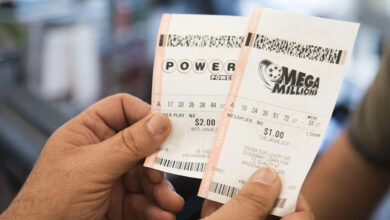
Lawmakers have also considered an additional tax to lottery sales and individual sports bets, WRAL previously reported. But taxes on lottery sales and individual sports bets could present enough logistical challenges and opposition from bettors to scuttle those proposals, people familiar with the negotiations previously told WRAL. Increasing taxes on operators, however, could be a simpler solution and easier pitch to lawmakers.
The idea of raising taxes on sports betting operators has already received opposition from the gambling industry, even before details of the current talks became widely known to the public. The Sports Betting Alliance, a lobbying group for sports betting operators, even launched a marketing campaign that called on people to express opposition to legislators.
Operators warn that beneficiaries of gambling revenue could lose out if taxes are raised on bettors or betting operators. They also warn that higher taxes could lead to worse odds and fewer promotional offers for customers. And bettors will turn elsewhere — even to illegal options — if it becomes more expensive to bet legally in North Carolina, operators say.
“This tax hike will only penalize licensed, regulated companies who have delivered hundreds of millions in tax revenue to the state and the UNC System athletic departments,” the Sports Betting Alliance said in a statement to WRAL. “We urge state leaders to instead focus on strengthening the legal framework that protects players, supports jobs, and keeps illegal and unregulated operators out of North Carolina.”
The University of North Carolina and North Carolina State University, which house the two richest and most popular public athletics departments in the state, don’t currently receive any money from the taxes, though the other 13 UNC System schools with intercollegiate athletics programs have collected more than $4.3 million each. Both schools have pushed for a share of the revenue, noting that more money is bet on their teams than any of the schools that do receive the money.
Both chambers adjusted the distribution formulas to include UNC and NC State last year in their individual budgets. As part of the budget negotiations, lawmakers had agreed last month to enable UNC and NC State to receive some money from the taxes, perhaps as much as the other schools, according to sources.
WRAL’s documentary unit took a closer look at sports betting in North Carolina in “The Gamble,” which can be viewed here.
Hospitals, housing, data centers
A more complete budget deal is expected to be announced in the coming weeks. Hall and Senate leader Phil Berger, R-Rockingham, previously announced they’d reached a partial deal on some of the bigger sticking points, such as raises for teachers and state employees, and that they hope to approve the full budget before the start of the new fiscal year on July 1.
Top legislative budget-writers have said anything is possible when it comes to making the budget calculus work. And an upward revision to state revenue projections last month could reduce pressure on lawmakers to find new sources of revenue.
Lawmakers are looking at a wide variety of ways to increase revenue as part of the budget negotiations. They’ve already agreed in principle to a gradual reduction in the state’s income tax rate, from 3.99% currently to 2.99% by 2033.
Lawmakers have also discussed closing tax loopholes and exemptions for data centers and nonprofits, including some hospitals and affordable housing developers — provisions that could save the state tens of millions of dollars annually.
Lawmakers could also look to clawback money from NCInnovation, a public-private partnership aimed at identifying and fostering commercially viable work born out of research at state universities. The House last year proposed to claw back $500 million from NCInnovation. The Senate was less inclined to cut the program’s funding, but Berger said last month that the chambers “continue to discuss how to resolve it.”
Lambeth said Tuesday that other changes remain under discussion as well, including a version of the “no tax on tips” rules that Republican President Donald Trump has also pushed for. The state House had already proposed exempting people’s first $5,000 in tips from being taxed, as part of its original budget plan that passed in early 2025, but the Senate hadn’t proposed any similar provision.
On Thursday, Berger indicated a final decision was still to be made. “There are ongoing conversations about whether or not, at the state level, something in that kind of area, that idea, would be part of the budget,” Berger said. “No decision has been made as of yet.”
This content is sourced from www.wral.com and is shared for informational purposes only.