On the evening of June 2, 2026, millions across Europe and the UK tuned in with anticipation, clutching their tickets and hoping for a life-changing result as the latest EuroMillions and Thunderball draws unfolded. With an eye-watering £122 million (approximately €142 million) jackpot on offer for EuroMillions, the stakes had rarely been higher, and the buzz was palpable from living rooms to newsrooms.
According to The Sun and ChronicleLive, the EuroMillions draw took place at 8:15pm BST (21:00 CET), with the Thunderball draw preceding it at 8pm. As the numbers were revealed, dreams were made and, for some, hopes dashed—though the excitement of possibility lingered in the air.
The winning EuroMillions numbers for draw number 1951 were 6, 9, 17, 18, and 42, with Lucky Stars 7 and 9. These numbers, simple as they may seem, held the potential to transform an ordinary life into something extraordinary. Yet, as the official results confirmed, no ticket managed to match all five main numbers plus both Lucky Stars, meaning the massive jackpot rolled over to the next draw. The anticipation for the following Tuesday’s draw has only intensified, with the prize pot swelling even further.
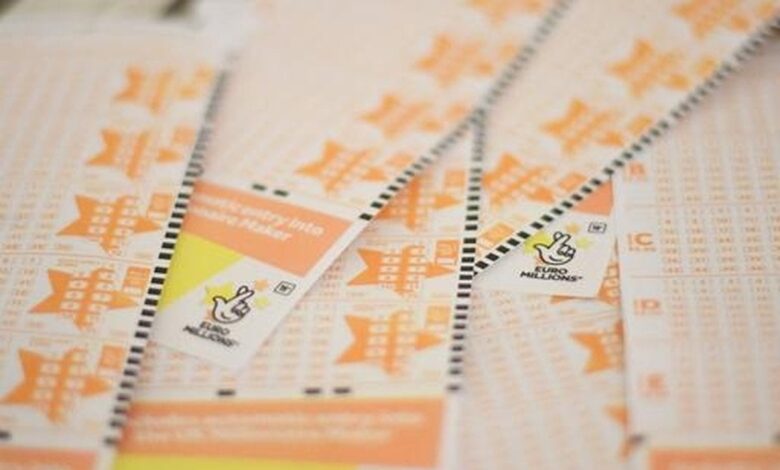
Despite the jackpot eluding players, the June 2 draw still created a wave of winners. In total, 2,464,960 tickets across various prize tiers claimed rewards, ranging from modest sums to life-altering amounts. For UK participants, the excitement was not limited to the main draw. Every EuroMillions ticket issued in the UK automatically included an entry into the Millionaire Maker raffle—a unique code printed on each ticket, giving one lucky player a guaranteed £1 million prize. For this draw, the winning code was VNNW79489. As stated by EuroMillions results, any ticket holder with this code should contact the National Lottery promptly to begin the claim process.
Meanwhile, the Thunderball draw offered its own tantalizing prospects. Taking place at 8pm, the Thunderball results for June 2 were 2, 11, 33, 37, and 38, with the Thunderball itself being 10. The top prize for Thunderball stands at £500,000, and its odds—while still steep—are notably better than EuroMillions, making it a popular choice for those seeking a more achievable windfall. As National Lottery coverage explained, matching all five main numbers and the Thunderball secures the top prize, while smaller combinations still yield respectable rewards.
The structure of both games continues to captivate the public. For EuroMillions, players select five numbers between 1 and 50, along with two Lucky Stars from 1 to 12. Matching all seven means instant multi-millionaire status. Even if a player matches five main numbers and just one Lucky Star, the consolation prize is a hefty £130,554.30—a sum that could still change lives, as noted by ChronicleLive. Thunderball, on the other hand, asks players to pick five numbers from 1 to 39 and one Thunderball from 1 to 14. The simplicity and frequency of the Thunderball draws (held on Wednesdays, Fridays, Saturdays, and Sundays) have made it a staple for many hopefuls.
For those new to the EuroMillions phenomenon, its origins trace back to February 7, 2004, launched by France’s Française des Jeux, Spain’s Loterías y Apuestas del Estado, and the UK’s Camelot. Over the years, the game has produced some of the continent’s largest lottery winners. The Sun recalled memorable UK victories, such as the anonymous player who scooped £170,221,000 in October 2019 and the well-known Weir family from Largs, Scotland, who netted £161,653,000 in July 2011. These stories are woven into the fabric of the lottery’s allure, serving as proof that ordinary people can, and do, win extraordinary fortunes.
Of course, EuroMillions is not without its share of heartbreak. The odds of winning the top prize are famously slim—1 in 139,838,160, according to The Sun. Yet, the allure persists. For many, the ritual of checking numbers after the draw, the shared excitement among friends and family, and the daydreams of what could be are as much a part of the experience as the actual draw itself.
On June 2, the ball machine used for EuroMillions was number 15, with ball set 19, as recorded by EuroMillions results. These technical details, while mundane, are an important part of the transparency and integrity that underpin public trust in the lottery system. Players are always reminded to verify their numbers through official sources before making any claims, as mistakes or misinterpretations can be costly.
For those who didn’t win, hope springs eternal. The rollover ensures that the next EuroMillions draw will be even more lucrative, and history shows that rollovers often lead to record-breaking jackpots. As The Sun pointed out, some of the world’s largest lottery wins have occurred after multiple rollovers, including the staggering £1.308 billion Powerball jackpot in the United States in January 2016.
The National Lottery and its EuroMillions and Thunderball games have become ingrained in British and European culture—not just as games of chance, but as engines of hope and community. Each draw brings together millions of people, united by the thrill of possibility and the shared anticipation of a better tomorrow. As ChronicleLive and other outlets noted, the excitement is about more than just money; it’s about the stories, the dreams, and the fleeting chance that tonight could be the night everything changes.
For now, the June 2, 2026 draw stands as another chapter in the ongoing saga of EuroMillions. With the jackpot rolling over and the next draw looming, the cycle of hope and anticipation continues. Whether you’re a regular player or an occasional dreamer, the lottery remains a fixture of modern life—a reminder that, sometimes, fortune really can favor the bold.
This content is sourced from evrimagaci.org and is shared for informational purposes only.