How satellite receivers, keys, CAMs, and cardsharing shaped the way we watched television
If you grew up in the early 2000s, you probably remember when satellite TV felt like magic. With just a dish and a receiver, you could access channels from around the world. But behind the scenes, a hidden battle was taking place — broadcasters trying to protect their signals, and viewers finding clever ways to unlock them. This is the fascinating story of satellite TV encryption.

The Early Days: Smart Cards and CAMs
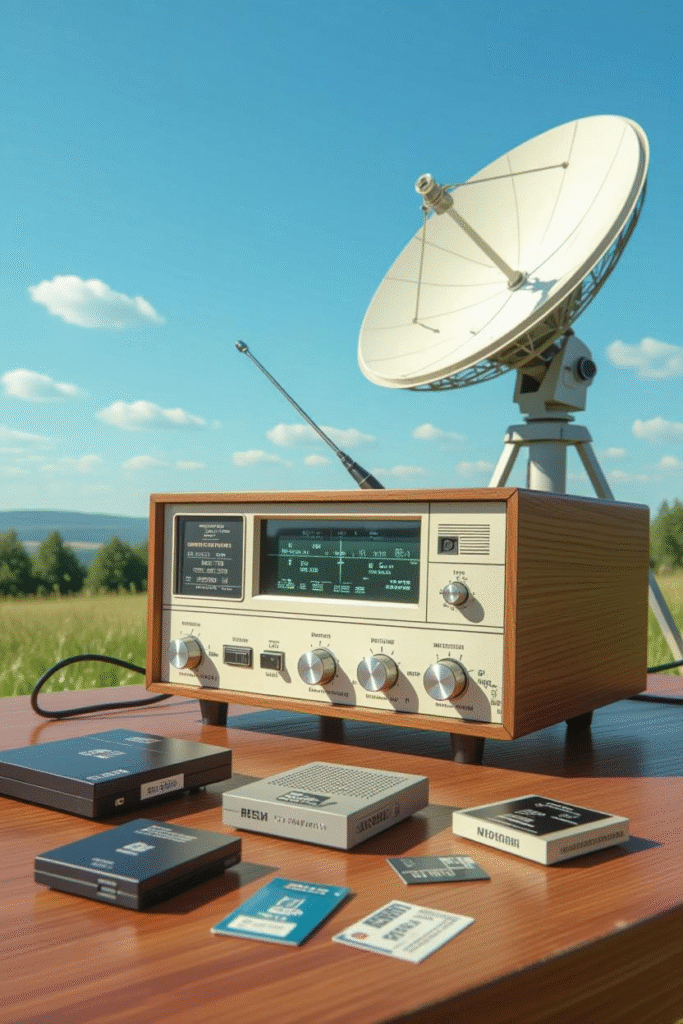
In the beginning, the only way to watch paid channels was through smart cards. Subscribers received a card that worked with specific packages on satellites such as Eutelsat 7°E, Hotbird 13°E, and the popular Zee package in Asia.
Receivers back then didn’t even have card slots. Instead, users needed Conditional Access Modules (CAMs) — devices where the cards were inserted. Different CAMs existed (Irdeto, Viaccess, Mediaguard, etc.), each unlocking only certain packages.
These cards had to be “loaded,” though how this was done was a mystery to many users. Was it software? Was it hidden updates? Nobody knew — and that secrecy made satellite TV encryption even more intriguing.
Manual Key Entry
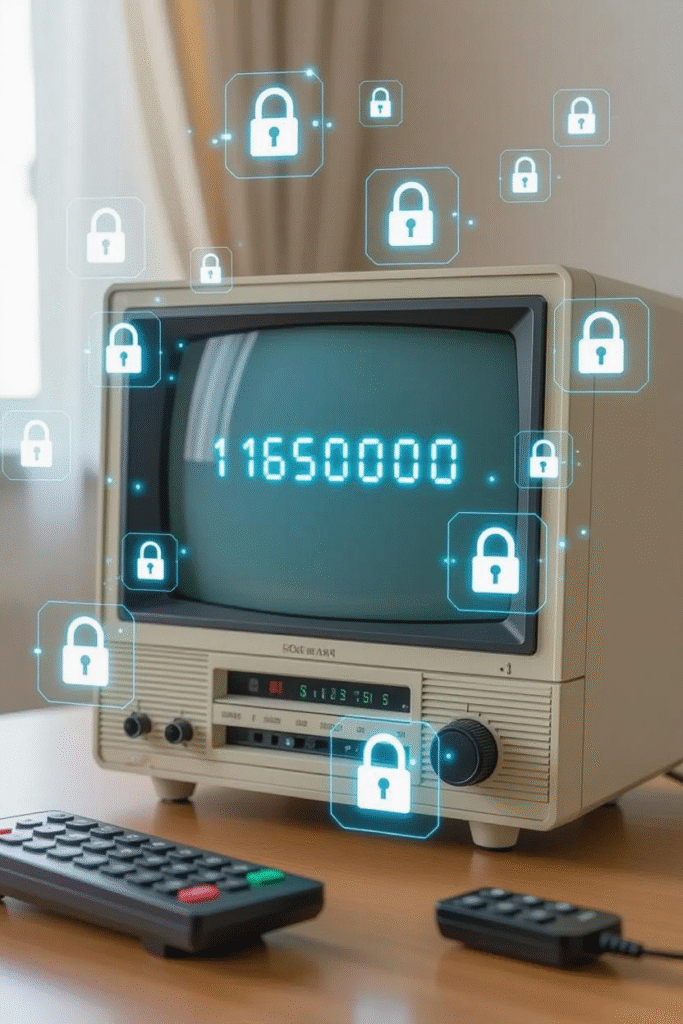
As technology evolved, some receivers offered a hidden menu where users could enter a 16-digit key to unlock channels. For a while, this worked. But broadcasters upgraded their encryption systems, introducing Seca2, Mediaguard2, Viaccess2, Irdeto2, which blocked these tricks.
Still, manufacturers kept updating old receivers with new software, adding options for key entry and supporting updated CAMs.
The Rise of New Encryptions
Over time, new encryption systems appeared:
- Nagravision
- Biss
- PowerVU
- Cryptoworks
Even if a channel used a certain CAM, it often had a Control Word (CW) or Double Control Word (DCW) key — 32 digits long — that could unlock it temporarily. These, however, expired quickly, keeping viewers constantly searching for new keys.
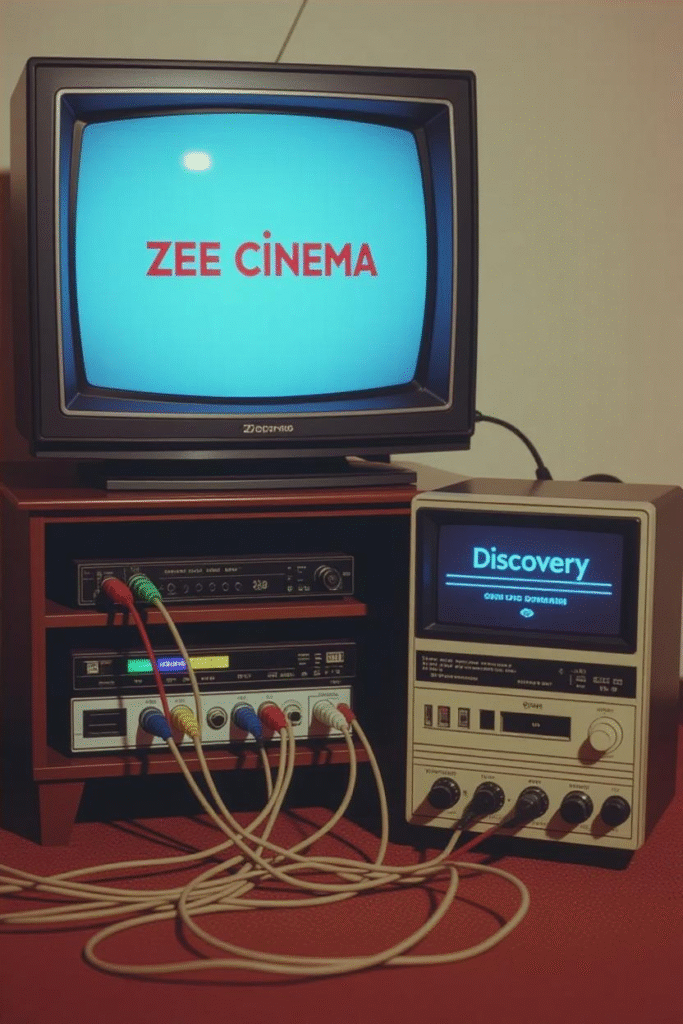
late 1990s–early 2000s.
Odd Setups: Zee Cinema & Decoders
Some setups were unusual. For example, Zee Cinema only showed audio on normal receivers. To watch video, users needed a special decoder. Other channels like Discovery, Animal Planet, and Star also required such decoders, which were exclusive to each package.
Later, CI-slot receivers became popular, allowing direct CAM insertion. Some Hotbird packages, however, still required specific CAMs such as Viaccess or Irdeto.
The Asian Favorite: Zee Network
In Asia, the Zee Network package was legendary. At first, it worked with CAM + Card, then later on manual codes. Initially, the codes changed every few months, but sometimes they lasted much longer.
Eventually, Zee upgraded to Seca2/Mediaguard2, stopping public key sharing. Yet, enthusiasts released custom firmwares that reopened these packages. Around this time, receivers with autoroll functions appeared, which automatically updated keys and opened many Hotbird packages without any user effort.
Softcam Files and the B4U Story
Another method was Softcam key files, which users could load into their receivers. Packages like Multichoice on Hotbird worked this way, with new files released every couple of weeks.
Meanwhile, B4U Movies on Panamsat 7/10 (68°E) used Nagravision encryption. At one point, its 16-digit Nagravision key became public. Surprisingly, B4U didn’t update its security immediately — possibly because its contract with Nagravision couldn’t be terminated early.
How Keys Were Found
Finding keys was a technical process:
- Record the encrypted channel in .ts format.
- Extract the Crypt8 key.
- Use tools like rainbow tables to generate a valid CW key.
This worked for static encryption like Biss. But when companies introduced dynamic keys that changed every 10 seconds, these methods became useless.
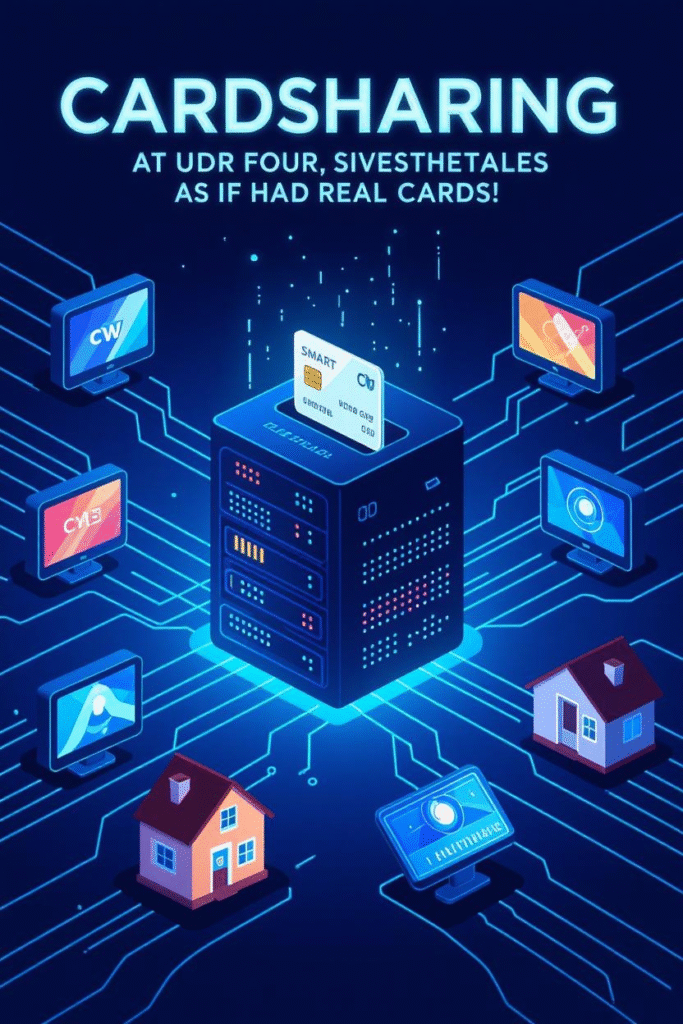
showing the concept of cardsharing.
The Internet Era: Cardsharing
As satellite TV encryption grew stronger, a new system arrived: Cardsharing.
- A central server had a legitimate subscription card.
- The server read data from the card.
- Using internet protocols, it shared CW keys with connected clients in real time.
Clients’ receivers decoded channels as if they had real cards. Open-source protocols like Gbox, Cccam, Oscam and closed-source ones like Gsharing, Forever became popular worldwide.
PowerVU: The Final Boss
For years, PowerVU was considered unbreakable. It was used by major broadcasters like Sony, Discovery, Animal Planet, Cartoon Network, AXN, Ten Sports, and many European companies.
But eventually, even PowerVU was hacked. Keys circulated publicly, and in Asia, packages remained open for years. Finally, broadcasters abandoned PowerVU and shifted to more secure encryption systems.
The Cat-and-Mouse Game
The story of satellite TV encryption is really a story of innovation on both sides. Broadcasters introduced smarter security, while users and developers found ways around it. From smart cards to manual keys, from Softcam files to internet-based cardsharing, each stage showed how fast technology and piracy evolved.
Conclusion
Satellite TV encryption has been a constant battle between content protection and user ingenuity. While today’s systems are far stronger and tied to internet-based services, the legacy of keys, CAMs, and cardsharing remains unforgettable.
No one knows what the future holds, but one thing is certain: as long as there are encrypted signals, there will always be those curious enough to try and unlock them.