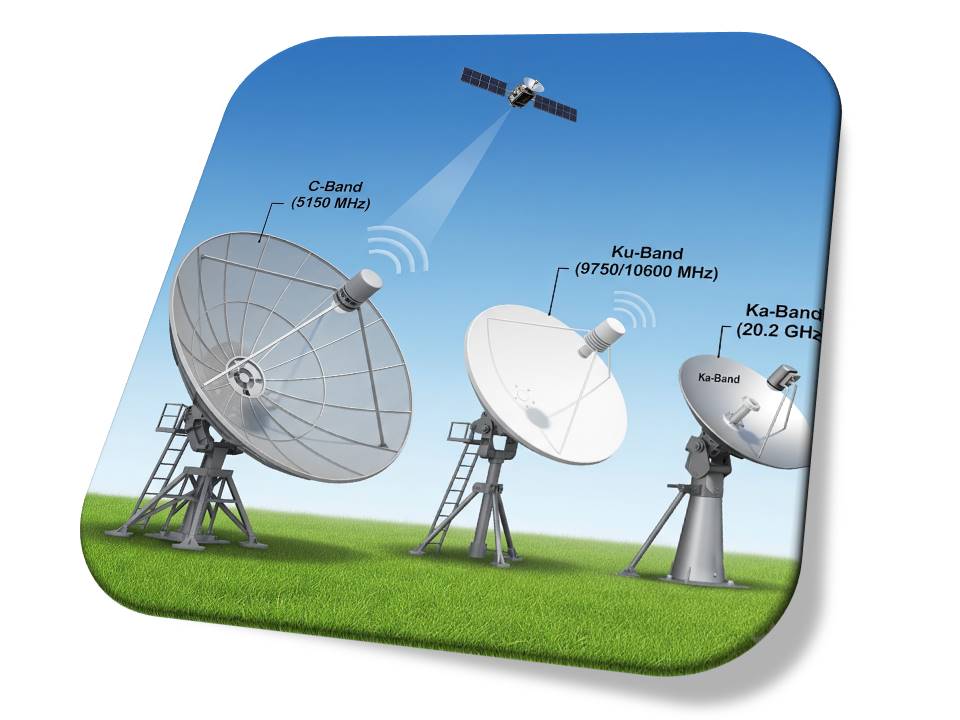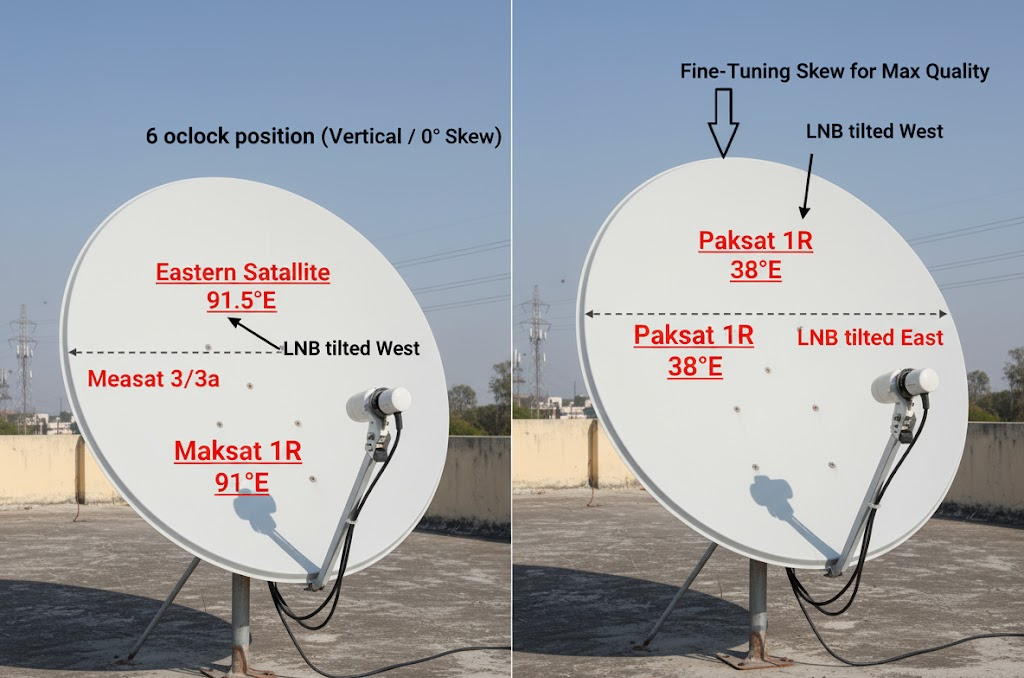
The preceding conversation thoroughly explored the relationship between LNB Skew alignment and the perceived reference points on Earth, ultimately confirming several crucial technical and practical principles regarding satellite dish installation. The primary conclusions refute the simple notion that LNB alignment is directly tied to the horizontal and vertical sides of a terrestrial structure. Instead, the correct Skew is proven to be entirely dependent on the specific satellite’s geographical position and the resulting angle of signal arrival, demanding unique adjustment for every satellite to maximize signal quality and minimize cross-polarization interference, which is vital for professional tuning.
I. The True Determinant of LNB Skew Alignment
The most significant conclusion is that LNB Skew (Polarization Adjustment) is a satellite-specific and geographically dependent factor, not a universal constant tied to the Earth’s cardinal directions.
- Polarization Correction: The fundamental purpose of Skew adjustment is to compensate for the tilt in the signal’s polarization plane (Horizontal and Vertical) caused by the satellite’s position in the Geostationary Orbit relative to the dish’s fixed location on Earth.
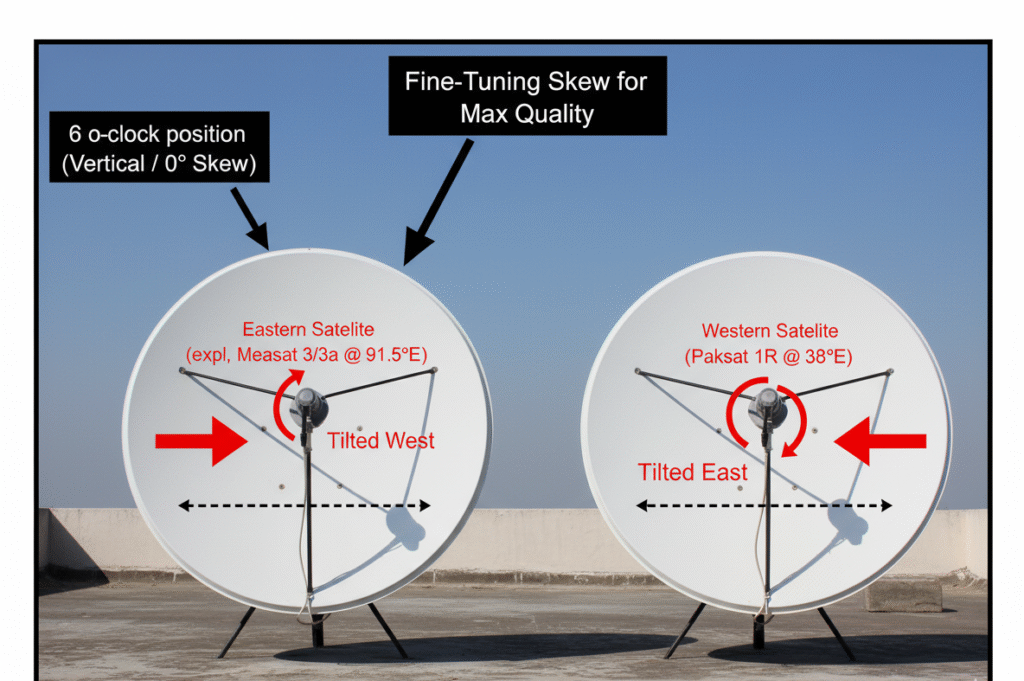
- Angle of Arrival: Since moving the dish from one satellite (e.g., 105°E) to another (e.g., 38°E) fundamentally changes the angle of arrival of the signal, the degree of tilt correction required also changes. Therefore, an LNB alignment that is perfect for one satellite cannot be perfect for another, contradicting the initial observation.
II. Reconciling Observation with Technical Reality
The discussion highlighted a common perceptual error where technicians feel the LNB’s final position relative to the Earth appears similar for different satellites. This was attributed to:
- Visual Illusion: The magnitude of the dish’s horizontal movement (Azimuth change) is so large that the minor necessary Skew adjustment (a few degrees) appears negligible to the naked eye.
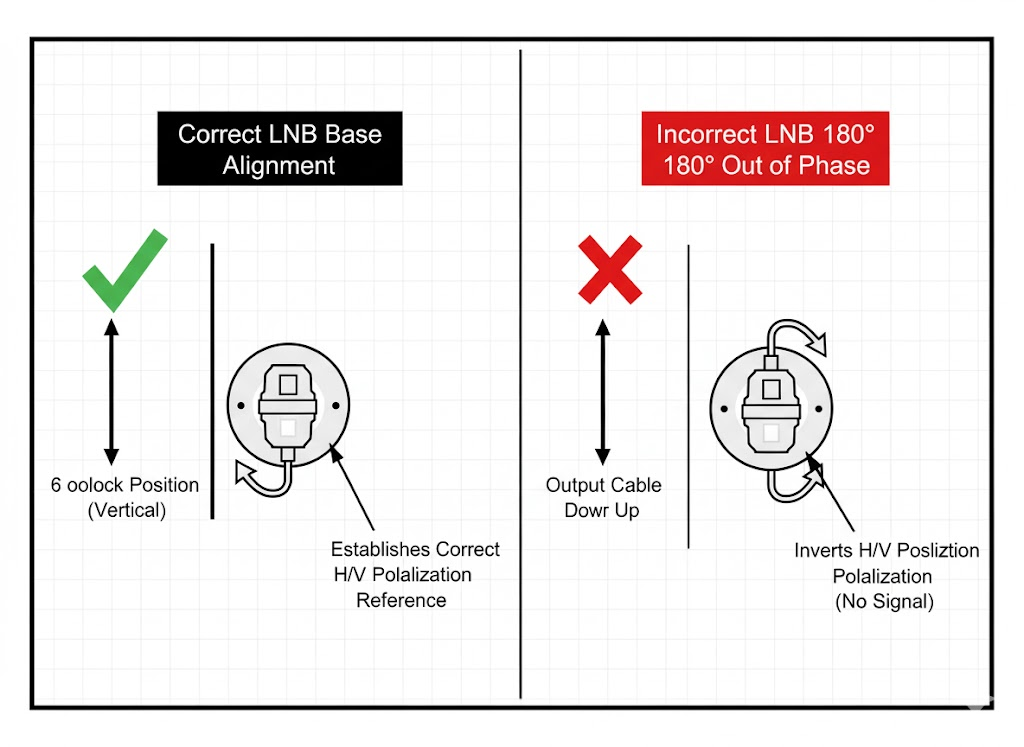
- Need for a Base Reference: The practical value of the user’s observation is that it helps determine the LNB’s initial correct quadrant (the “real side”) to avoid a catastrophic alignment error, such as setting the LNB 180° out of phase, which would completely invert the polarization and prevent signal acquisition.
III. Clarifying Alignment Terminology and Practice
The conversation established precise terminology regarding LNB positioning:
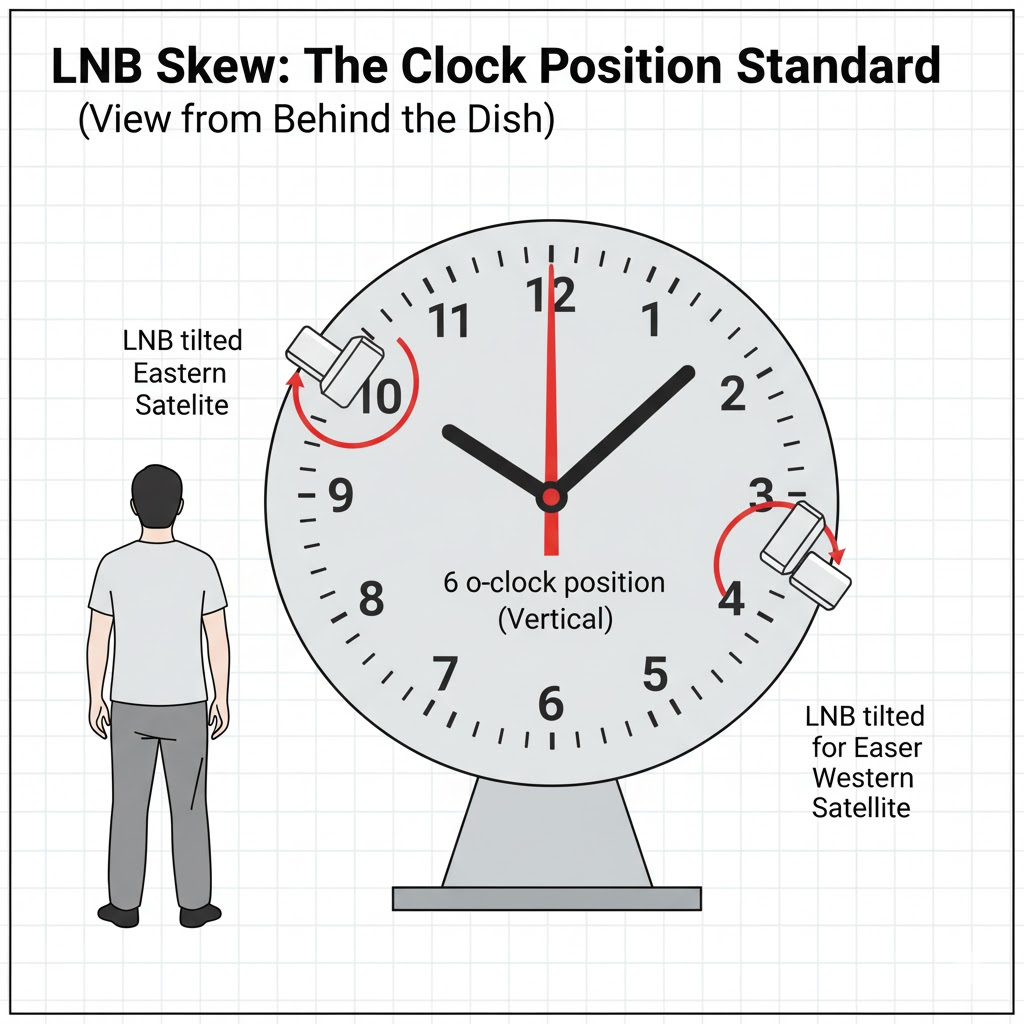
- The Clock Position Standard: The widely used “clock position” reference (e.g., 6 o’clock for vertical) is defined from the perspective of standing behind the dish, looking towards the satellite.
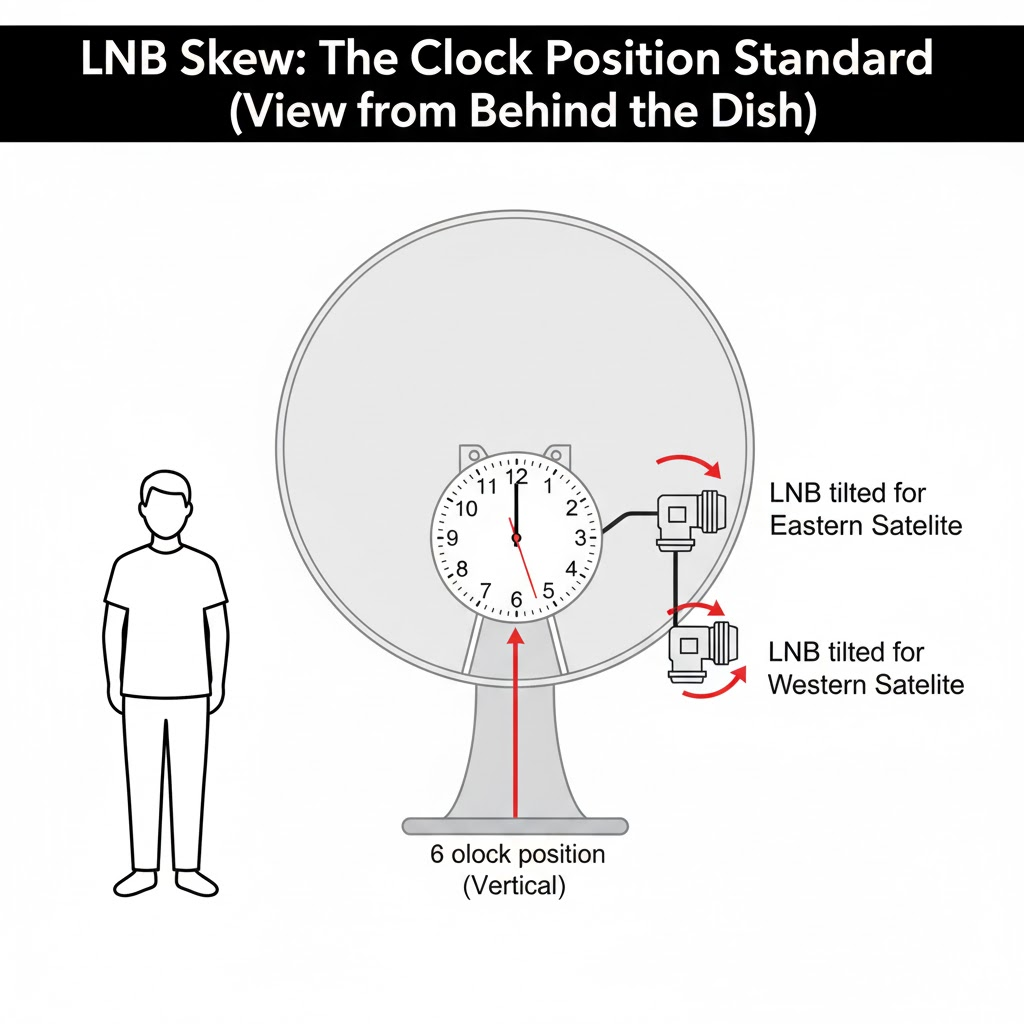
- The Absolute Reference: Crucially, while the clock position is a practical guide, the absolute reference for correct LNB Skew is always the Earth’s horizontal plane (Horizon). The LNB is rotated relative to this plane to align its probes perfectly with the incoming tilted signal wave.
- Transponder Variations: It was acknowledged that even within a single satellite, minor Skew adjustments might be necessary for different transponders due to factors like varying signal strength, mechanical imperfections in the dish/LNB setup, or the operator’s use of slanted polarization.
In essence, the dialogue confirmed that while the dish and LNB setup in the field can tolerate small imperfections, the principle of unique, satellite-specific Skew alignment remains the undisputed technical requirement for achieving optimal signal quality and preventing interference between Horizontal and Vertical polarizations.
Conclusion:
LNB Skew is essential for maximizing signal quality and minimizing critical cross-polarization interference. Our discussion confirms that the alignment is not bound by Earth’s simple horizontal/vertical references, but is dynamically governed by the satellite’s specific orbital position and the resulting signal tilt at the dish’s fixed location. Therefore, achieving professional-grade reception demands a unique Skew adjustment for every satellite, even though the base alignment might visually appear similar. This precise tuning ensures proper separation of Horizontal and Vertical polarities, which is vital for uninterrupted service.