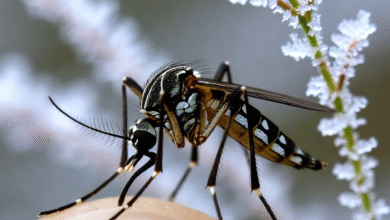
Every culture has stories about a strange, almost unbearable second heat—a season that arrives after the rains, when crops are ripening but the air feels heavy with humidity. In Sindh, it is remembered as چِٽَ جِي موسم (Chit ji Mousam). In Northern India, it is called بھادونی گرمی (Bhadooni garmi).
Science calls it the Autumnal Heat Season, a climate event that follows the monsoon retreat. Interestingly, this period often coincides with the September Equinox—a celestial turning point when day and night become nearly equal across the globe. The equinox marks the official start of astronomical autumn in the Northern Hemisphere, yet in South Asia it paradoxically arrives with a burst of lingering heat rather than immediate coolness.
But poetry, religion, and folklore across the world have always given it deeper meaning: a time of both exhaustion and abundance, melancholy and celebration.
In this article, we’ll explore how this Autumnal Heat Season connects South Asia with the rest of the world—through climate, literature, religion, and real human stories.
Table of Content
1. The Science of the Autumnal Heat Season
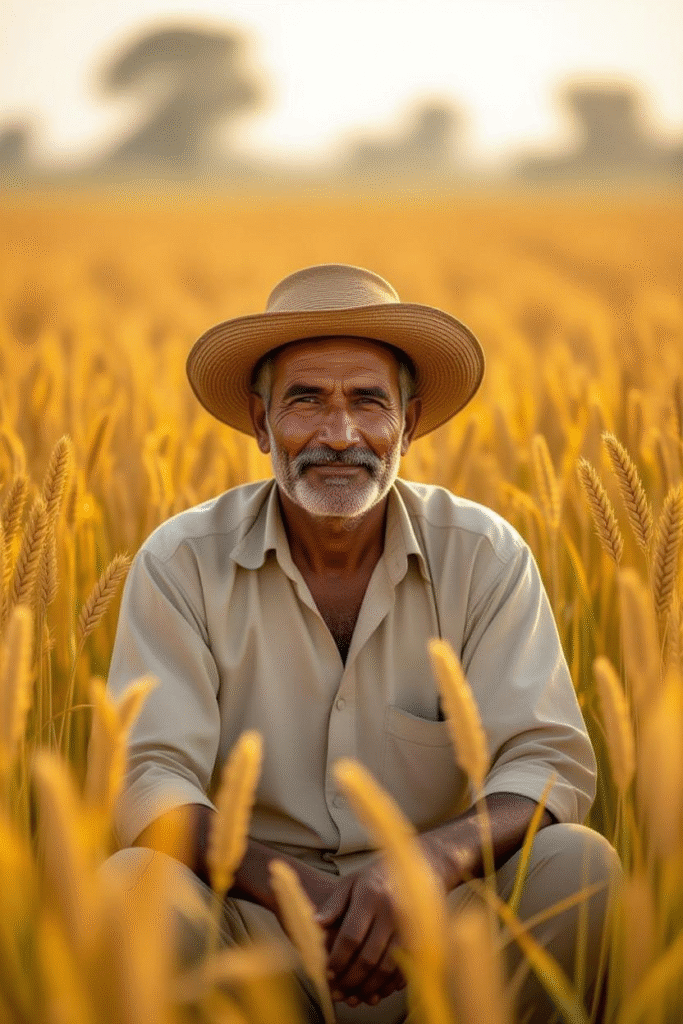
A farmer in Sindh during September, sweating under a hazy sun, ripe millet fields in the background, atmosphere thick with humidity.
The Autumnal Heat Season begins after the September equinox when day and night are equal, but the earth retains the full memory of summer. Instead of cooling, many regions—especially tropical and subtropical lands—experience a second wave of heat mixed with heavy humidity.
- Monsoon Retreat: In South Asia, by late September, the southwest monsoon withdraws. But it leaves behind humid air trapped near the surface.
- Equal Days, Unequal Heat: Even though days shorten, the ground still radiates summer’s heat. Farmers feel suffocated under heavy skies.
- Global Phenomenon: Similar seasons are noted in Egypt’s Nile valley, the American South’s “Indian Summer,” and Europe’s late harvest heat.
2. South Asian Names for the Season
Sindh: Chit ji Mousam
In Sindhi folklore, چِٽَ is described as the harshest part of the year. Shah Abdul Latif Bhittai’s verses speak of lovers waiting desperately through چِٽَ for a cooler, forgiving season. The heat is not just physical—it becomes a metaphor for longing and endurance.
North India: Bhadoon ki Garmi
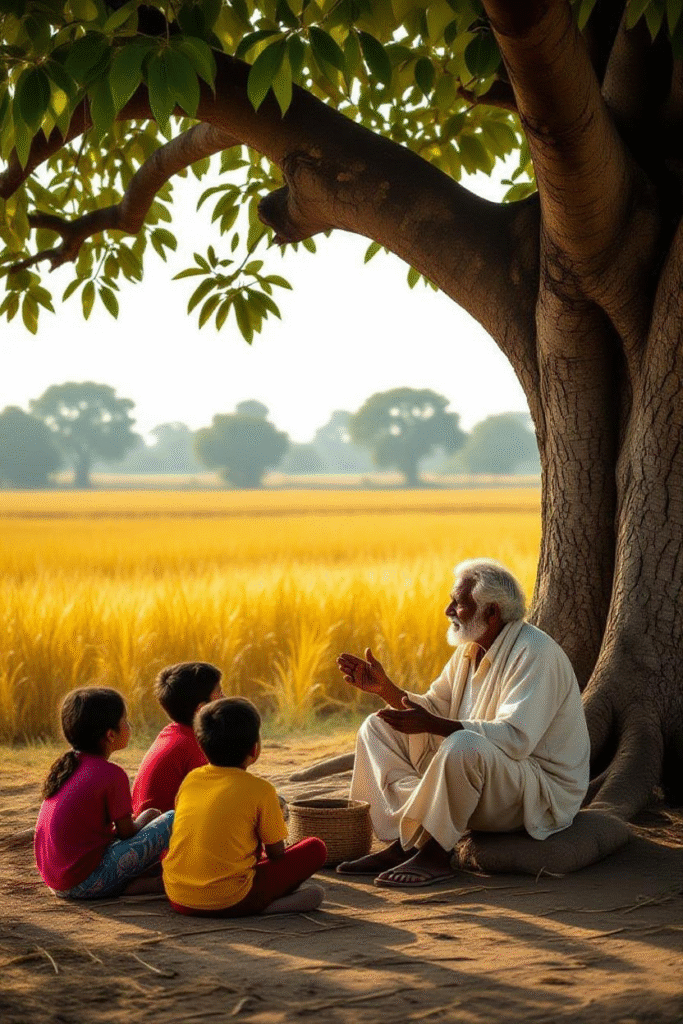
An old village elder narrating Bhadooni heat stories under a banyan tree, children listening with curiosity, golden fields nearby.
In Uttar Pradesh and Bihar, people still recall بھادوں کی گرمی—the Bhadooni heat of the Hindu month Bhadoon (August–September). Farmers say, “Bhadoon ki dhoop, kisi ki nahin roop”—meaning the Bhadoon sun spares no one, not even the strongest.
3. The Season in World Literature
a. Celebration of Ripeness
- John Keats (England): In his famous ode To Autumn, Keats calls it the “Season of mists and mellow fruitfulness.” Apples swell, grains ripen, bees buzz lazily in late sunshine. This is the positive face of the Autumnal Heat Season.
- Hesiod (Ancient Greece): In Works and Days, farmers are instructed to cut wood and prepare barns during this season. It was a time of serious work, not leisure.
b. The Melancholy of Change
- Shakespeare: In Sonnet 73, Shakespeare compares himself to autumn—yellow leaves clinging, the air heavy with quiet. The heat gives way to a reflective sadness.
- Shah Latif (Sindh): Just like Shakespeare, Latif uses چِٽَ as a metaphor for inner burning. His heroines endure the heat while waiting for the beloved—just as farmers endure Bhadoon hoping for the festival season ahead.
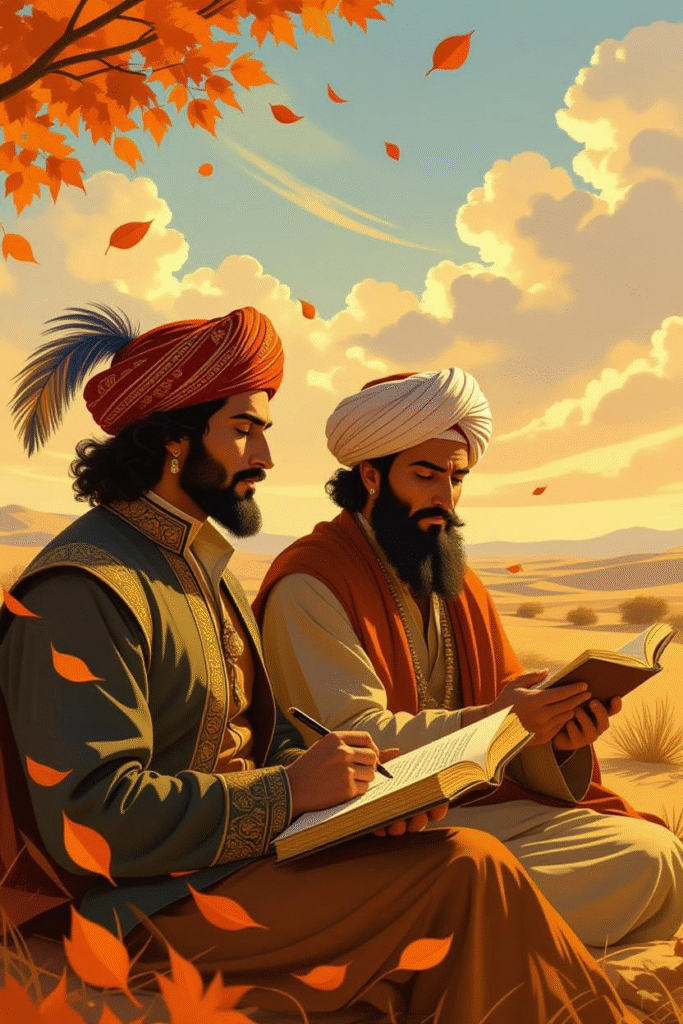
Illustration of Shakespeare and Shah Latif side by side, both writing about autumn heat, leaves falling and Sindhi desert blending into English countryside
4. Religious and Cultural Calendars
This period is woven into rituals worldwide:
| Culture | Festival/Event | Meaning | Connection to Autumnal Heat Season |
|---|---|---|---|
| Celtic (Ireland) | Lughnasadh / Lammas | First harvest festival with bread from new wheat. | Early Bhadoon harvest celebrations. |
| Jewish (Israel) | Feast of Tabernacles | Thanksgiving after grain & grape harvest. | Equivalent of Chit ending with joy. |
| Ancient Egypt | Nile Rituals | After Nile floods, the land heated before winter planting. | Same post-rain suffocation & transition. |
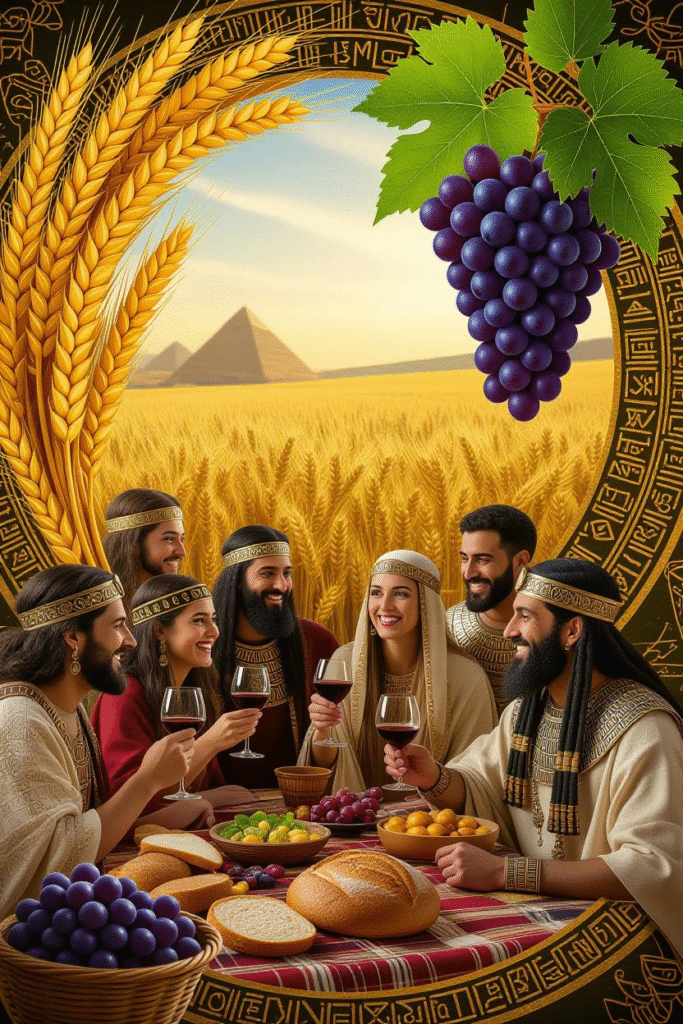
Collage of ancient Celtic, Jewish, and Egyptian harvest rituals, golden grains, grapes, and people celebrating with bread and wine.
5. Human Stories of the Autumnal Heat Season
A Sindhi Farmer’s Tale

A family wedding in Bihar during September heat, women fanning themselves, groomsmen sweating under heavy turbans, symbolic of Bhadoon warmth.
Nazar Mohammad, a millet farmer near Hyderabad, once told researchers:
“Chit is like a test. If your crops survive, you will eat. If not, hunger follows. We sleep outside, but the air does not move. It is like being inside a hot clay oven.”
A North Indian Family Memory
In Bihar, families remember September weddings as the toughest:
“The bride’s makeup would melt. Guests fanned themselves with banana leaves. The Bhadoon sun was merciless, but no one dared complain—it was tradition.”
The Western Parallel
In 19th-century America, farmers coined the term “Indian Summer” for this sudden, stifling heat after autumn’s arrival. Just like چِٽَ, it was both feared and cherished—feared for fires and sickness, cherished for ripening harvests.
6. Why the Autumnal Heat Season Matters Today
- Climate Science: With climate change, this season is becoming more extreme. South Asia now records September heatwaves stronger than June.
- Agriculture: Rice, millet, and cotton harvests depend on this exact period. Too much heat destroys crops, too little prevents ripening.
- Human Culture: From poetry to rituals, this season reflects how deeply humans live with climate—even turning suffering into art and tradition.

Modern farmer using smartphone to check weather apps in a humid September field, merging ancient tradition with modern science.
Conclusion: A Global Human Heritage
The Autumnal Heat Season is not just about weather—it is about how humans everywhere understood the struggle between heat and hope. In Sindh, it became چِٽَ جِي موسم. In India, Bhadoon ki Garmi. In Europe, it was celebrated in Keats’ poetry. In America, it became Indian Summer.
From rituals of bread and grapes to verses of longing and exhaustion, this season shows us that climate is not only natural—it is cultural. The heat after rain, the harvest after waiting, the exhaustion before joy: these are stories as old as humanity itself.