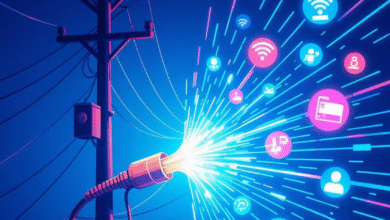
Internet connection types are evolving rapidly as of 2025, driven by an unprecedented demand for bandwidth. High-definition streaming, seamless remote work, competitive online gaming, and the proliferation of AI-driven smart home (IoT) devices now dictate the essential requirements for a modern internet connection. To meet this escalating need, Internet Service Providers (ISPs) have expanded their offerings, blending legacy infrastructure with cutting-edge innovations.
Current industry analysis reveals that ISPs typically offer eight primary types of connections, each with unique benefits and limitations. While Fiber Optic remains the gold standard for speed and reliability in urban and suburban expansions, wireless and hybrid options are aggressively closing the digital divide in rural and underserved regions. The exact availability of these technologies depends heavily on location, but providers like AT&T, Verizon, Xfinity, and Starlink are driving the diversity.
This breakdown explores the eight connection types, detailing their technology, typical performance metrics, advantages, disadvantages, and key market leaders in 2025.

The 8 Core Internet Connection Types (2025)
| Type | Technology Overview | Typical Speeds (Download/Upload) | Pros | Cons | Key Providers (2025) |
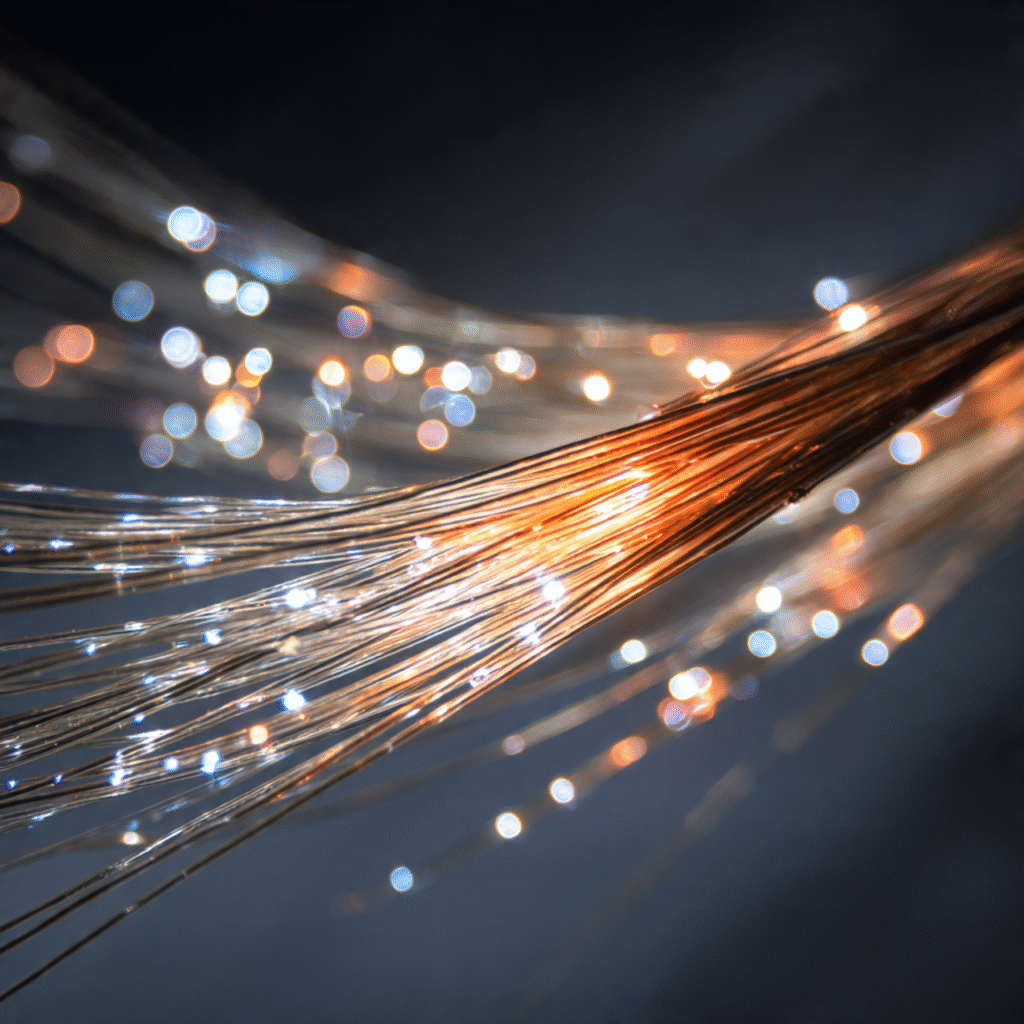
| 1. Fiber Optic | Uses light signals through thin glass fibers for ultra-fast, symmetrical data transmission. Dominant in urban expansions. | Up to 8 Gbps / 8 Gbps (symmetrical) | Fastest and most reliable; ultra-low latency; future-proof (supports 10G-PON); unlimited data. | Limited availability (~50% U.S. coverage); higher installation costs. | Google Fiber, AT&T Fiber, Verizon Fios, Ziply Fiber. |
| 2. Cable | Delivers data via existing coaxial cables shared with TV signals; utilizes DOCSIS 4.0 for multi-gig upgrades. | 300 Mbps–2 Gbps / 10–50 Mbps | Widely available (~80% U.S.); affordable gigabit plans; reliable for multi-user households. | Shared bandwidth causes peak-hour slowdowns; upload speeds significantly lag. | Xfinity (Comcast), Spectrum (Charter), Cox. |
| 3. DSL (Digital Subscriber Line) | Transmits over existing copper phone lines; uses variants like VDSL/G.fast to boost speeds over short distances. | 1–100 Mbps / 0.5–10 Mbps | Cheap and ubiquitous in rural areas; no new wiring needed. | Distance-sensitive (slower farther from ISP hub); outdated for modern high-demand use. | AT&T, CenturyLink (now Lumen), Windstream. |
| 4. Satellite (GEO – Geostationary) | Relays signals from older geostationary satellites orbiting ~22,000 miles up; requires a fixed dish. | 25–150 Mbps / 3–20 Mbps | Near-universal coverage, ideal for the most remote areas. | Extreme high latency (600+ ms); strict data caps; susceptible to heavy weather interference. | Viasat, HughesNet. |
| 5. Satellite (LEO – Low Earth Orbit) | Uses dense constellations of satellites (e.g., 550 km altitude) for dramatically faster, lower-latency beaming. | 50–500 Mbps / 10–50 Mbps | Global reach with significantly reduced lag (20-60 ms); mobile-friendly solutions (e.g., RVs). | Still pricey equipment/service; potential congestion as user adoption grows rapidly. | Starlink (SpaceX), OneWeb, Project Kuiper (Amazon, launching residential in late 2025). |
| 6. Fixed Wireless | Beams radio signals from nearby ground-based towers to a receiver on a home antenna; non-cellular 4G/5G hybrid. | 25–300 Mbps / 5–50 Mbps | No underground cables needed; quick setup; good for suburbs and fixed rural properties. | Requires clear line-of-sight to the tower; weather-affected; variable speeds based on tower load. | Rise Broadband, Nextlink, local WISPs (Wireless ISPs). |
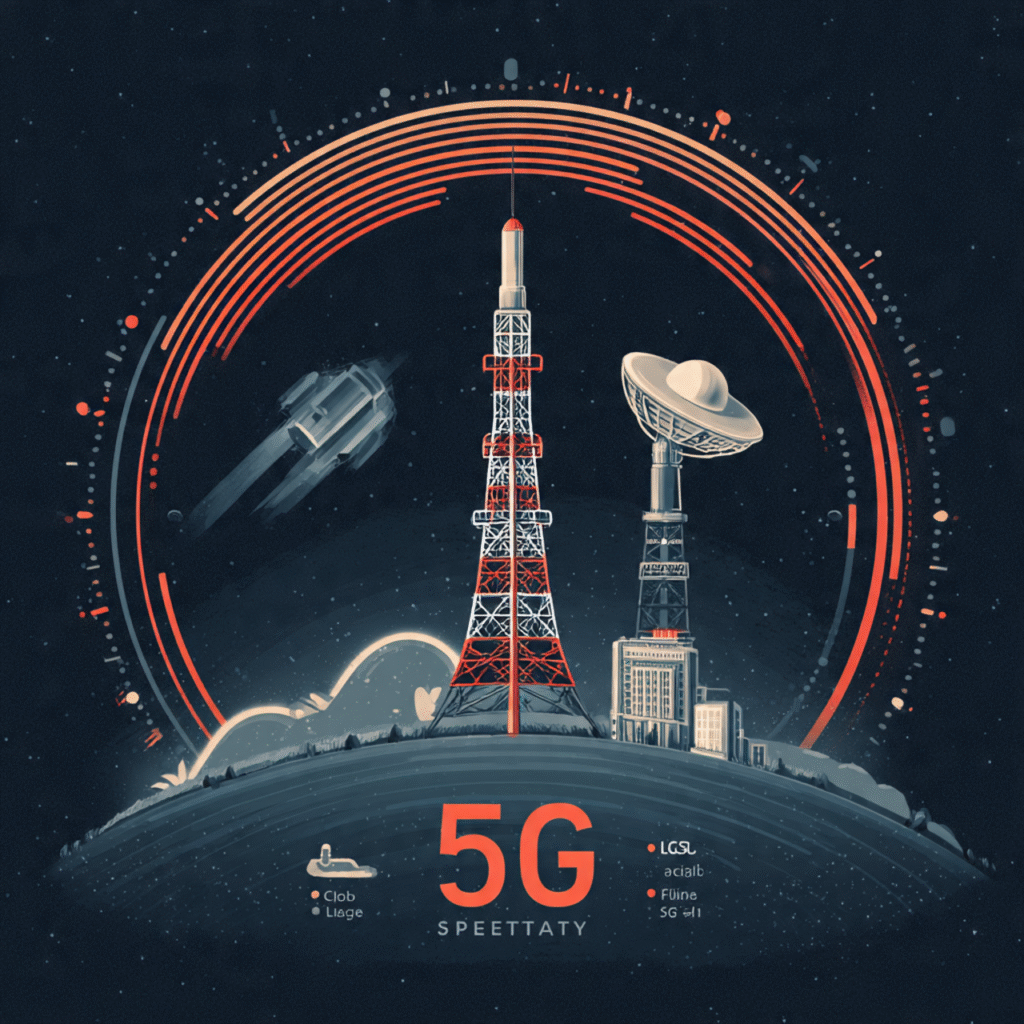
| 7. 5G Home Internet | Leverages established cellular 5G networks for fixed broadband service; uses millimeter-wave (fast urban) and sub-6 GHz (wider range). | 100–1,000 Mbps / 10–100 Mbps | Unlimited data in many plans; easy self-install; strong competition to Cable/Fiber; bundles with mobile. | Coverage gaps outside dense urban/suburban areas; potential throttling/deprioritization. | T-Mobile Home Internet, Verizon 5G Home, AT&T Internet Air. |
| 8. Dial-Up | Legacy modem connection over standard copper phone lines; occupies the line while in use. | Up to 56 Kbps / N/A | Extremely cheap; works anywhere with a landline. | Obsolete speeds; ties up the phone line; non-viable for modern video/streaming/remote work. | Some rural holdouts like EarthLink; generally phasing out. |
Export to Sheets
Key Trends Shaping Connectivity in 2025
The connectivity landscape is being fundamentally reshaped by major technological and financial developments:
1. Fiber’s Unstoppable Dominance
Fiber is cemented as the foundation of the future. With new standards like XGS-PON enabling speeds up to 10 Gbps and pilots hitting 50 Gbps (e.g., Ziply Fiber), fiber’s scalability is unmatched. Driven by government subsidies (such as the BEAD program in the U.S.), fiber now covers approximately 55% of U.S. homes, up from 40% in 2023. It’s the top choice for 70% of satisfied users due to its near-perfect symmetry and 99.9% uptime reliability.
2. The Wireless Revolution
Both 5G Home Internet and LEO Satellite are experiencing explosive growth, particularly in areas where fiber is costly to deploy. Starlink, in particular, is now serving millions of users globally, having dropped typical latency to a usable 20–60 ms range, which makes activities like competitive gaming and VR streaming viable in remote locations for the first time.

3. Wi-Fi 7 and the In-Home Network
The introduction of Wi-Fi 7 (802.11be) routers is addressing the in-home bottleneck. With multi-gig bulk plans now common for high-density buildings like apartment complexes, these advanced routers integrate AI for traffic optimization, multi-link operation (MLO), and much higher throughput to handle the average modern home’s 20+ connected devices (IoT, 8K TVs, VR headsets) simultaneously.
4. Edge Computing and AI-Native Networks
The future extends beyond just speed. The rise of Edge Computing—processing data closer to where it’s generated—demands ultra-low latency. Furthermore, research into 6G (projected commercial launch around 2030) is focused on speeds up to 1 Terabit per second (Tbps) and AI-native network architecture that can autonomously optimize performance, predict traffic, and self-heal from faults, pushing latency into the microsecond range.
5. Cybersecurity and Sustainability
As our homes become more connected, cybersecurity has become a core offering. Many ISPs now bundle advanced security and privacy tools, including Zero Trust Architecture principles, to protect the rapidly growing attack surface of IoT devices. Additionally, network sustainability is a key focus, with increased investment in energy-efficient network architectures and renewable energy sources to power the rapidly expanding infrastructure.
Choosing Your Connection
The “best” connection depends on your needs and location:
- For high-demand users (4K streaming on 5+ devices, cloud gaming, remote work): Fiber Optic is the ideal choice, offering the fastest and most stable symmetrical speeds. Aim for 500+ Mbps plans.
- For urban/suburban households with a budget: Cable is a reliable runner-up, especially with modern DOCSIS 4.0 upgrades.
- For rural/underserved locations: 5G Home Internet offers excellent value, while LEO Satellite provides a viable high-speed option where fixed wireless or 5G coverage is absent.
Always use tools like the FCC Broadband Map or provider sites to check the exact speed and technology available at your address, as the digital terrain changes rapidly.