🌆 The Night Karachi Witnessed a Digital Heist

Karachi city skyline glowing at night.
It was an ordinary night in Karachi — until one man’s phone lost signal. He thought it was just another network glitch.
By morning, his worst fear came true: ₹8.5 million had vanished from his bank account.
This wasn’t a simple online scam — it was a SIM Swap Fraud, a sophisticated cybercrime where hackers hijack your mobile number to take control of your bank account.
📱 How the SIM Swap Fraud Actually Works

In a detailed video, Babar Awan explained how this type of fraud unfolds step by step. The process is both technical and terrifyingly efficient:
- Step 1: Hacking the Google Account
Scammers first break into the victim’s Google account to gather personal data such as CNIC, contact info, or linked banking apps. - Step 2: Accessing the Telecom System
Using advanced tools, they temporarily hack into a cellular company’s system — often for about 2 to 2.5 hours. - Step 3: Activating a New SIM (Swap)
They then activate the victim’s number on a new SIM card linked to their own device — similar to changing a phone’s IMEI number. - Step 4: Capturing the Bank OTP
When they reinstall the banking app and request login verification, the OTP (One-Time Password) goes to their phone — giving them full control of the victim’s account.
Within hours, the money is transferred out, leaving the original user locked out of both their SIM and their savings.
🕵️ The Mystery: How Did a SIM Get Issued Without Biometric Verification?
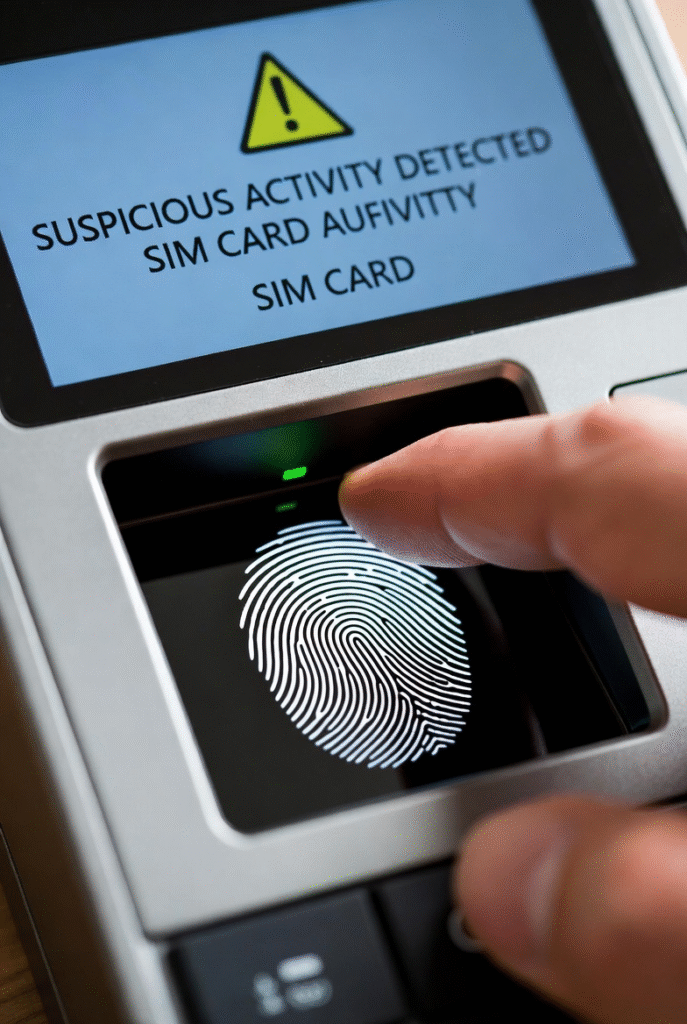
The biggest question Babar Awan raised was — How did a new SIM get activated without biometric verification?
Was there internal collusion or system manipulation inside the telecom company?
Whatever the method, one thing is clear — hackers gained temporary but dangerous access to the cellular system, bypassing official checks.
💣 This Can Happen to Anyone — Not Just the Rich
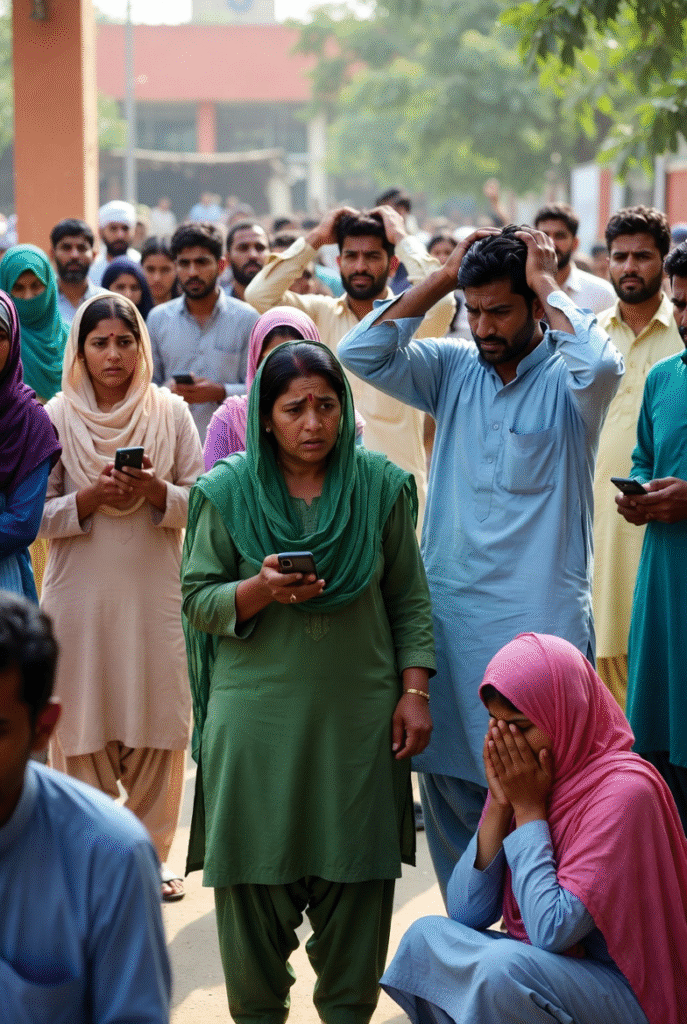
Many people assume such crimes only target millionaires. That’s false.
If your mobile number is linked to any banking app, e-wallet, or digital service, you can become a target.
The SIM Swap scam is spreading fast — and anyone using SMS-based banking verification is at risk.
🛡️ How to Protect Yourself (Babar Awan’s Advice)
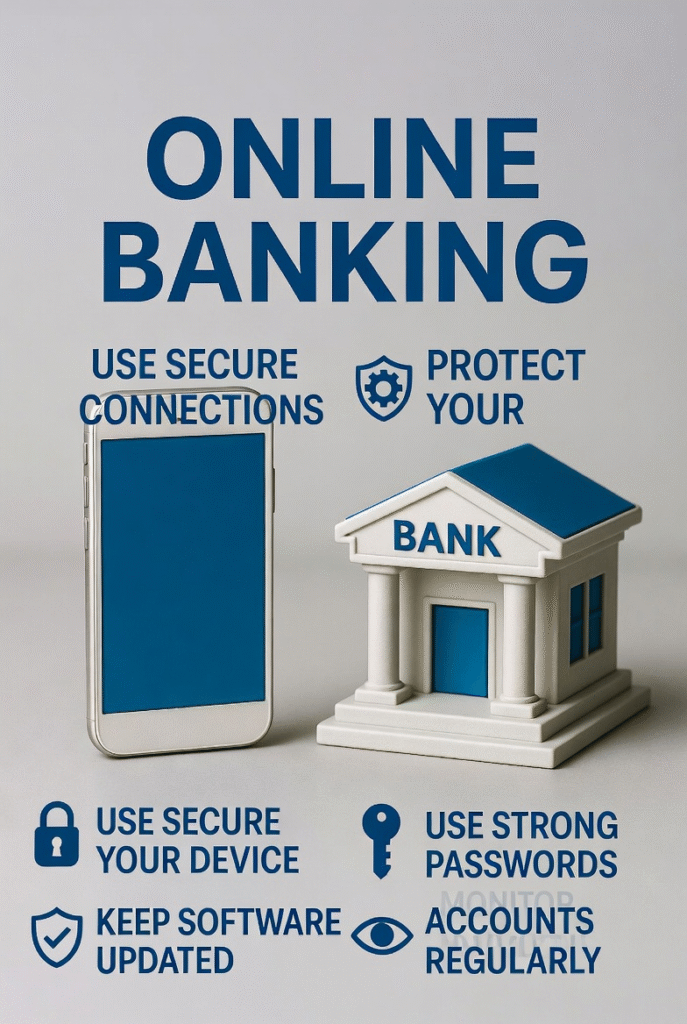
Here are the most important steps to protect your money and identity:
- Switch Big Accounts to “Cheque Book Only” Mode
If your account holds ₹1 million or more, disable online or ATM access — use cheque transactions only. - Temporarily Disable Online Banking & ATM Cards
Until the authorities (like NCCIA or Cyber Crime Wing) secure the system, avoid mobile or internet banking for high-value accounts. - Keep a Separate Account for Daily Use
Use JazzCash, EasyPaisa, or SadaPay for small daily transactions — keep only ₹50,000 to ₹100,000 in them. - Avoid SMS-Based OTPs
Use apps like Google Authenticator or Authy instead — these generate offline verification codes that hackers can’t intercept. - Regularly Check with Your Mobile Operator
Ask if any duplicate SIM has been issued under your number — and enable SIM swap alerts if available.
🔒 What to Do Immediately If You’re a Victim
If your phone suddenly loses signal and you suspect fraud:
- Call your telecom company immediately — request to block any duplicate SIM.
- Inform your bank and freeze your account to prevent further transfers.
- Change all passwords — especially Google, email, and banking apps.
- Report to FIA Cyber Crime Wing or NCCIA and file an official complaint.
🌐 The Digital Lesson: Awareness is the Only Real Firewall

This incident is more than just a crime story — it’s a wake-up call.
Technology makes life easier, but it also opens new doors for cybercriminals.
Until telecom systems and banks strengthen their authentication layers, public awareness is the first line of defense.
In the digital age, your mobile number is your identity — guard it like your ATM card.