Introduction: The Allure of the “Exclusive”

We live in a digital age where new apps promise convenience, side incomes, and even the chance to “change your life.” But some apps are not found on the Play Store or the App Store. They spread through referral codes, almost like an underground secret club. On the surface, an exclusive app may look like a gateway to prestige and easy money. In reality, it can become something far more sinister.
This is not just another story of a “get rich quick” scheme—it is a warning.
The Beginning: A Friend’s Persuasion
The narrator recalls how he first encountered the exclusive app through his friend Matt. Both were broke, struggling under student debt, and desperate for relief. One night, Matt suddenly seemed flush with cash. Curious, the narrator asked how.
The answer wasn’t a job, a lottery, or a lucky break. It was an exclusive app—one you couldn’t search on Google or download from the Play Store. The only way to install it was by scanning a friend’s referral QR code.
For someone drowning in financial struggles, the temptation was hard to resist.
First Impressions: Harmless or Harrowing?
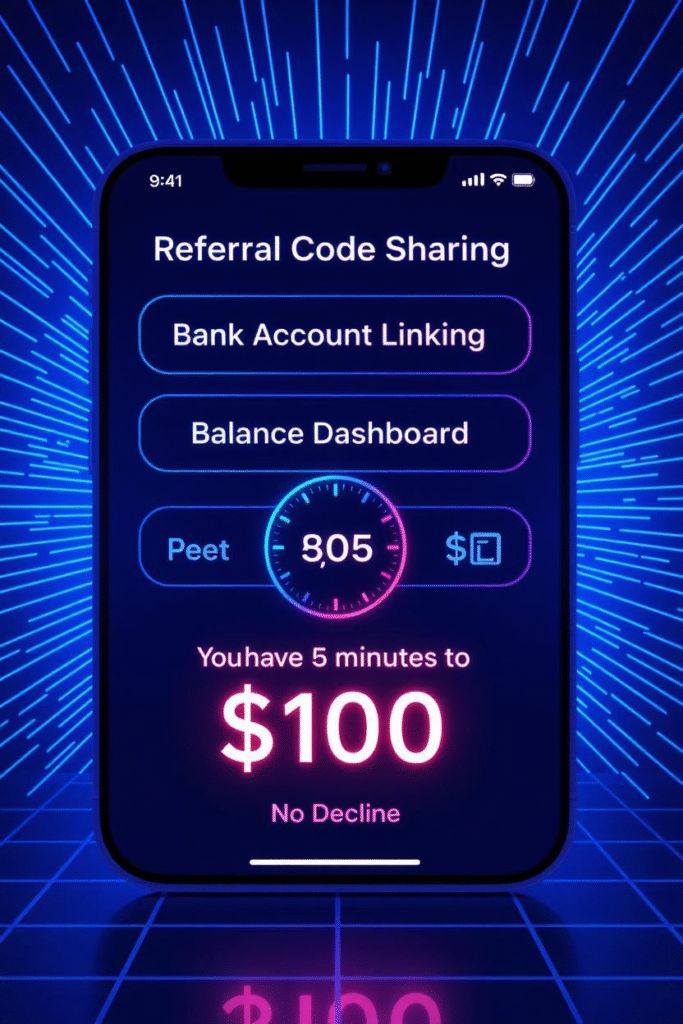
The app’s interface was minimal. Just three tabs:
- Referral code sharing
- Bank account linking
- Balance dashboard
At first, nothing happened. Then came the first task.
It wasn’t a job in the traditional sense. It wasn’t driving a car, delivering food, or freelancing online. Instead, the screen displayed a disturbing instruction:
“Go to the bathroom floor. You have 5 minutes to pee. Reward: $100.”
The narrator hesitated. The idea was humiliating, absurd, and unsettling. But the timer ticked down, and the absence of a “decline” button revealed the darker truth: participation wasn’t optional.
Escalation: From Odd Jobs to Obedience
At first, the tasks seemed like bizarre dares—embarrassing but not deadly. Pee in a bathroom. Knock something off a shelf. Refuse to leave a tip.
But the exclusive app escalated quickly. Tasks turned malicious:
- Spitting on strangers
- Stealing packages
- Telling lies to unsuspecting people
And when the narrator tried to disobey, the app punished him. One such punishment? A task ordered his friend Matt to slap him across the face. For $200, Matt complied.
That’s when the chilling realization hit: the app was watching them. It had access to their cameras, microphones, and locations. Every move was tracked, every hesitation noticed.
Addiction: Money vs. Morality
Despite the fear, the money was real. Bank balances grew overnight. Debts felt smaller. Luxuries once impossible became easy.
But with each task, morality eroded. What started as silly mischief turned into deliberate cruelty. Soon, the narrator was doing things he would never have imagined—like sending false death messages to strangers or destroying deliveries meant for neighbors.
In just 72 hours, the exclusive app had reshaped his character.
The Breaking Point
The illusion shattered when the app gave him a task at his real job:
“Send all company data to this email.”
This wasn’t a prank. It was corporate sabotage. The reward? One million dollars.
Temptation won. Within seconds, the data was sent, and the money appeared. By the next day, his company shut down after the massive breach. Hundreds lost their jobs.
And the worst part? He didn’t even feel guilty anymore.

The Bigger Picture: Who Is Behind This?
The narrator’s story raises terrifying questions:
- Who created this exclusive app?
- Why pay ordinary people to commit increasingly immoral tasks?
- Was this a psychological experiment?
- A criminal organization exploiting desperation?
- Or something even darker—an entertainment system for hidden spectators?
The truth remains unknown.
The Lesson: When the Price of Thrill Is Too High
The narrator admits he was transformed. He was no longer the same person who once struggled with side gigs and debt. The app had rewired his brain—replacing guilt with thrill, and morality with money.
What started as an exclusive app, marketed as an invite-only opportunity, ended as a descent into manipulation, surveillance, and crime.
Conclusion: A Warning to All
In the end, this story is not just about one man or one app. It is a reminder of how easily technology can prey on human weakness. Desperation for money, desire for recognition, and thrill-seeking tendencies can blind us to obvious dangers.
So, the next time someone offers you an exclusive app or a secret shortcut to wealth, remember: not everything that looks like opportunity is safe. Some doors are closed for a reason.
⚠️ Takeaway: If an app spreads only by secret referrals, avoids official app stores, and promises easy money, it’s not an opportunity—it’s a trap.